Preface
The question behind “Choosing Bubble-Tea Cups” looks like a choice of appearance or material, but packaging performance also depends on the food, geometry, time-temperature history and handling. This article explains the visible problem first, then the material and structural mechanism, and finally the limits of what can be inferred without a product-specific test.
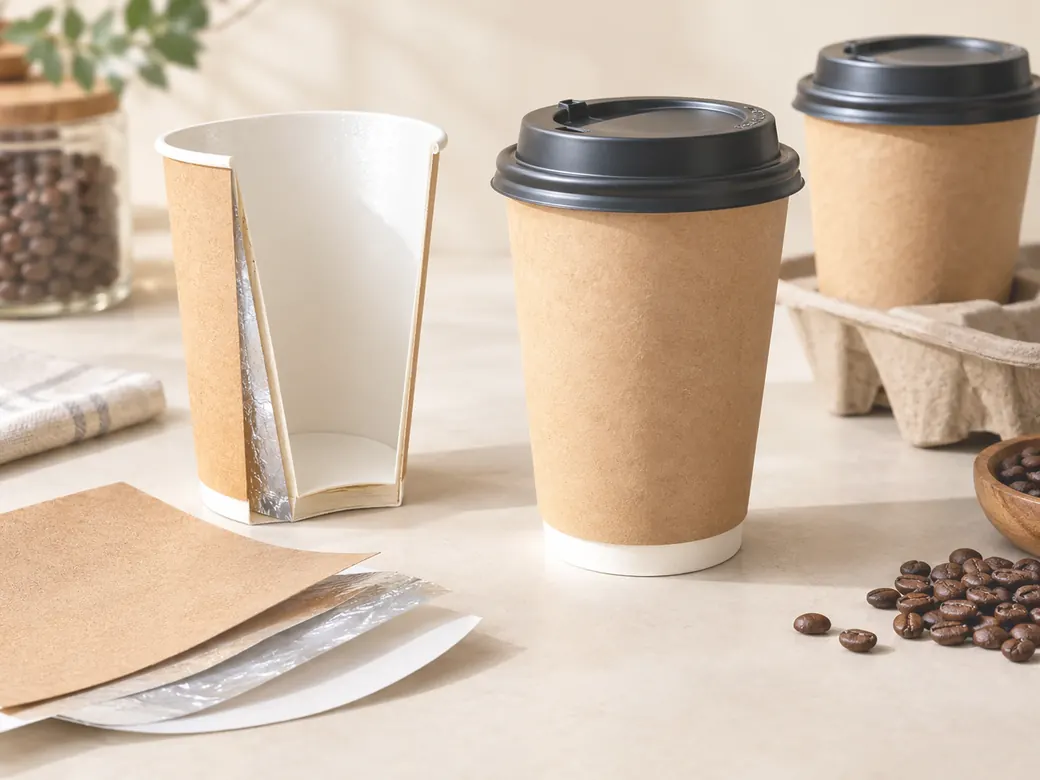
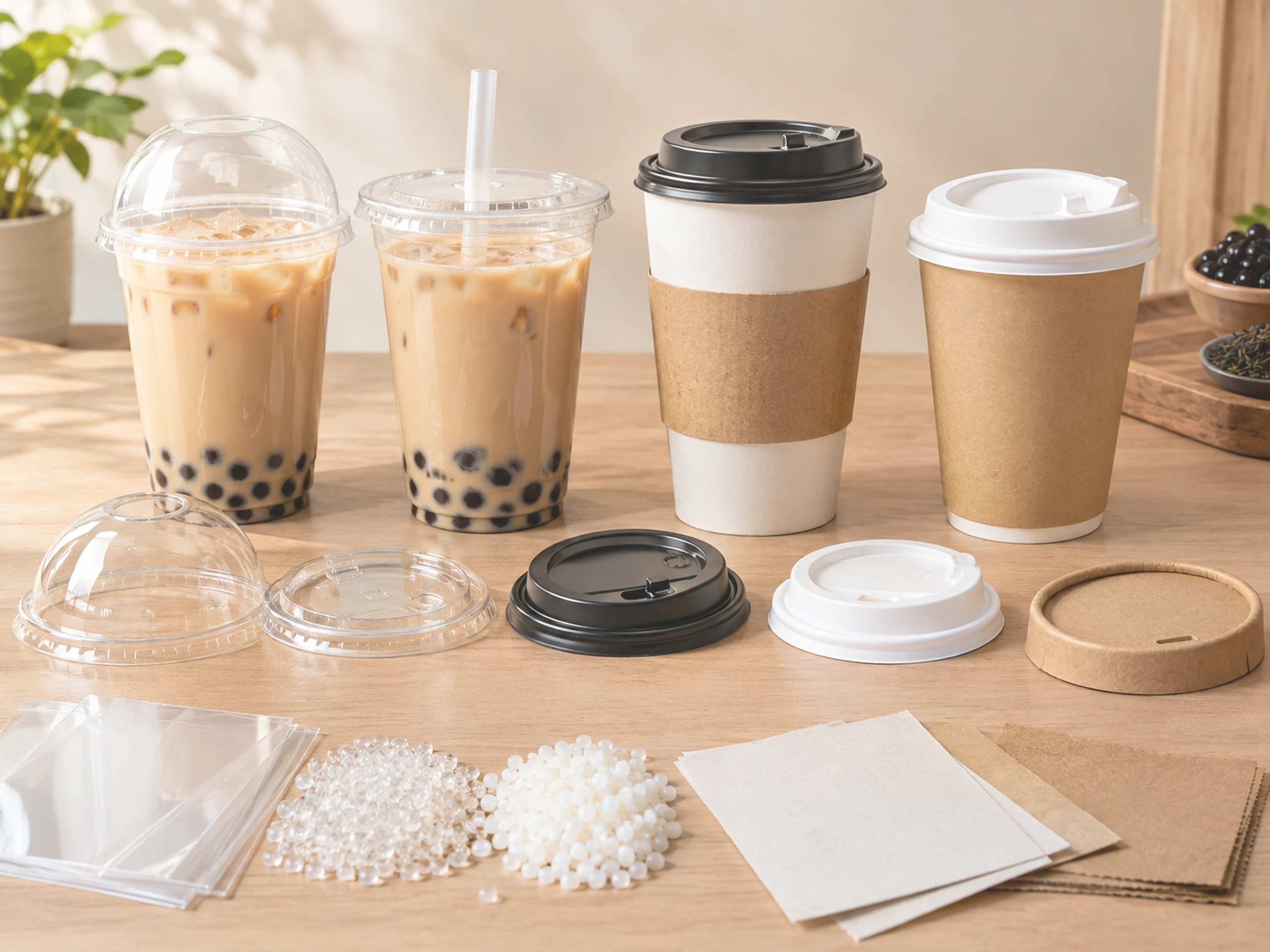
A bubble-tea cup carries more than a drink. It experiences the weight of a cold beverage, shaking, straw insertion, squeezing and condensation on the outside. PET is often chosen when color and toppings need to be visible. PP offers a different balance of toughness and temperature capability. Paperboard cups depend on a paper structure and an inner barrier. No single material label captures the whole system.
For a clear cup, optical clarity must be balanced with impact resistance. Thin PET walls can display the drink well, yet the rim, base corners and sealing edge are stress concentrators. PP clarity varies with formulation and crystallinity; it may look less glass-like while offering useful toughness for another service pattern. A paper cup’s liner limits liquid penetration, while the body and rolled rim affect grip and lid fit.
Pearls, jelly and fruit pieces change flow through a drinking opening. A straw port must accept the straw without leaving an excessive leak path. A sealing film needs the right seal strength and opening force. A dome lid creates space for toppings but increases stack height. A flat lid stacks more easily but is less forgiving of fill level and opening location. Cup and lid should share a tolerance system.
Do not shake an empty cup and call it a service test. Fill it with the intended drink and toppings. Check tilt, shaking, straw insertion, bagging and chilled condensation. Separately evaluate food-contact compliance, local recovery and repeated use; one resin code cannot answer all three. References: