Packaging notes
Packaging,explained plainly.
Understand food packaging: the science behind materials, structure and everyday use.
- 40
- notes
- 05
- topics
- 1–3
- minutes each
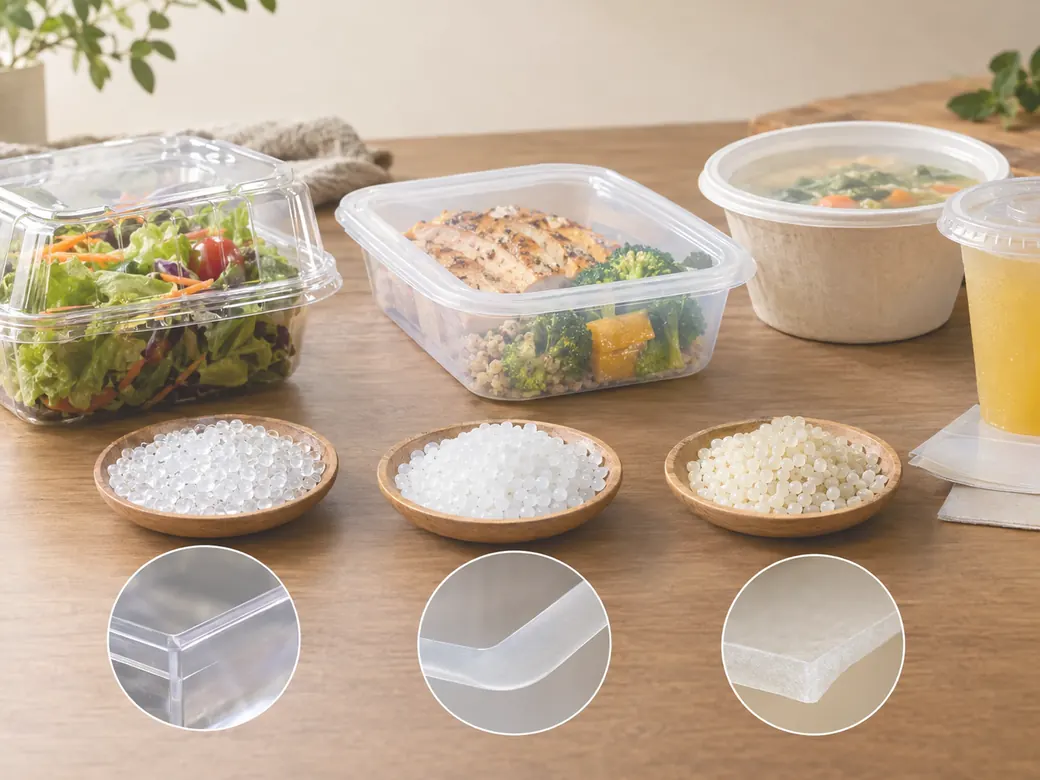 Start here · MaterialsPP, PET and PLA Explained: Structure, Heat Behavior and Clarity in Food Packaging3 min read
Index
Every note, in reading order
From materials and structure to compliance and buying. Hover a title to see its illustration.
PP, PET and PLA Explained: Structure, Heat Behavior and Clarity in Food Packaging
MaterialsWhy PP Is Common in Hot-Food Containers: Molecular Structure and Reheating Limits
Materials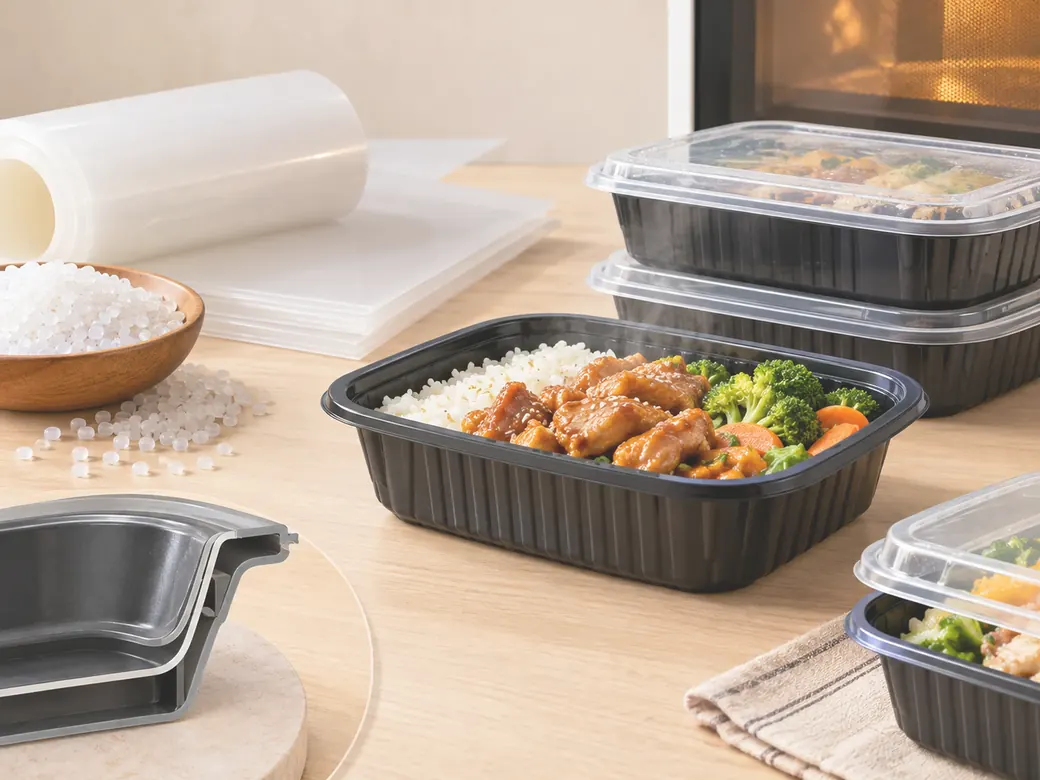
Why PET Is Clear: Balancing Display, Barrier Performance and Temperature Limits
Materials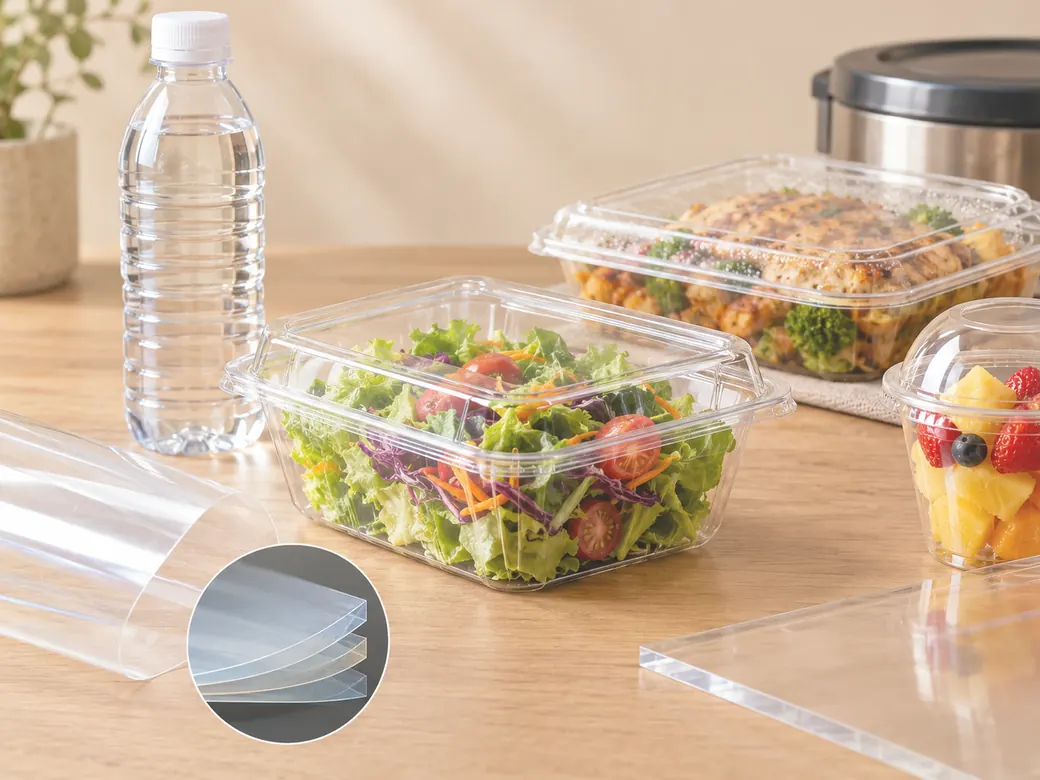
Is PLA Food Packaging Really Compostable? Feedstock, Industrial Composting and Heat Limits
Materials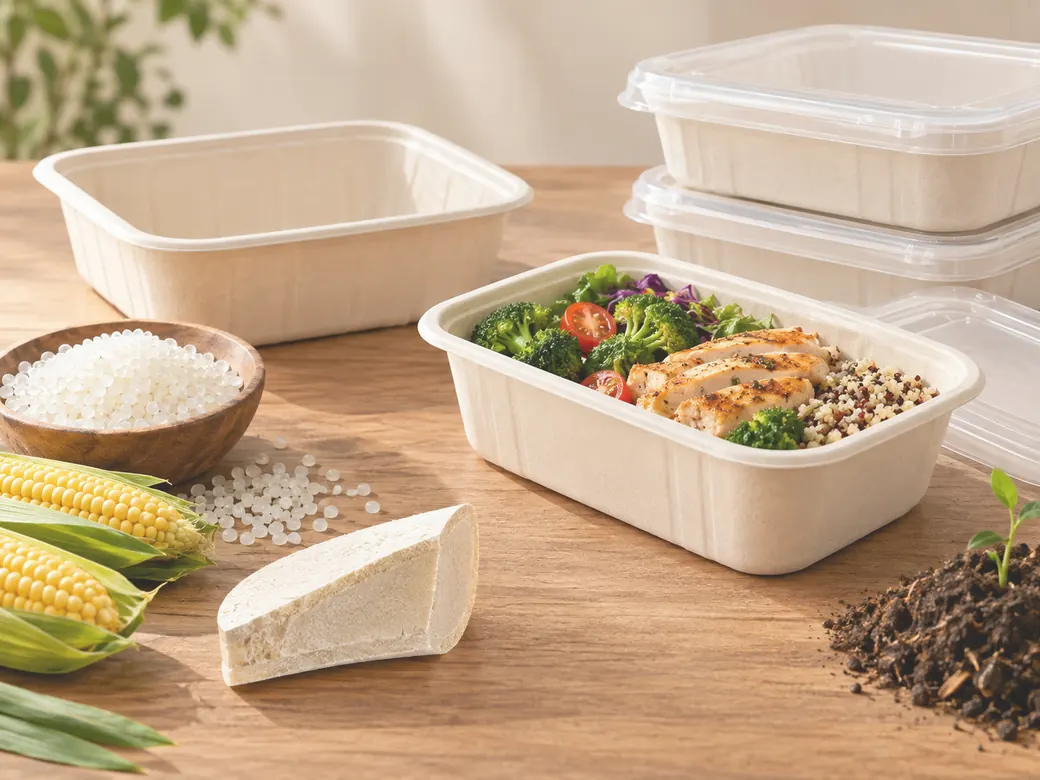
How Food-Contact Packaging Safety Is Evaluated: Migration, Food Types and Use Conditions
Food contact compliance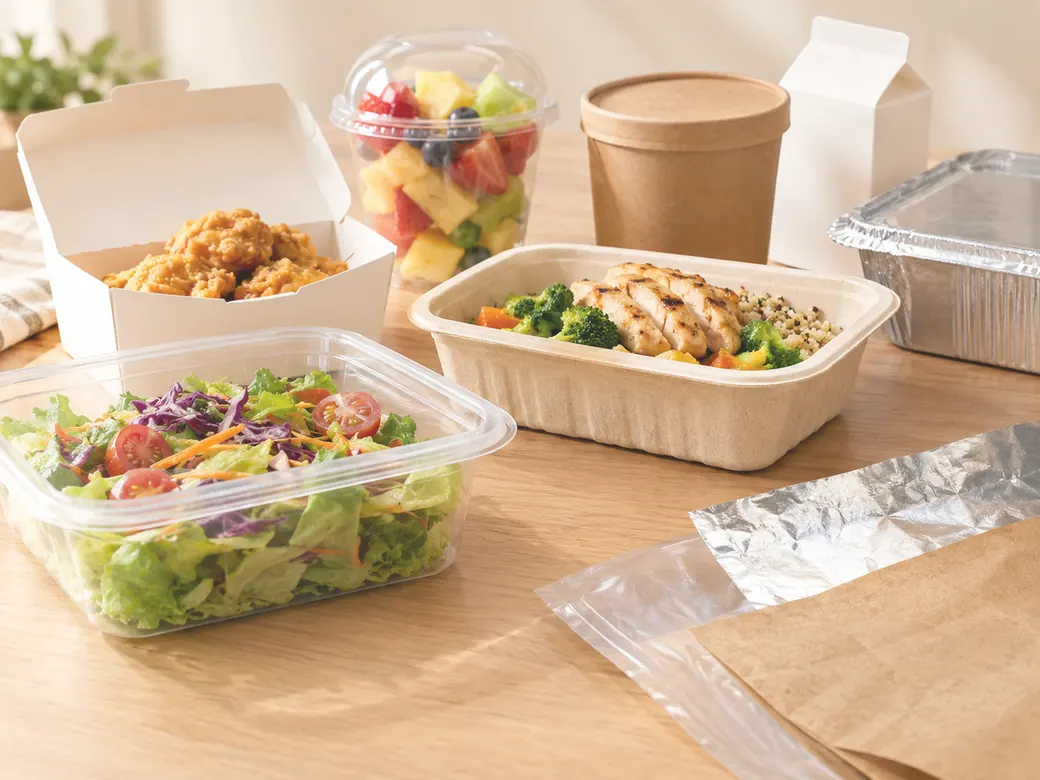
Molded Fiber, Paperboard and Plastic Food Packs: Real Differences in Water, Grease and End-of-Life Performance
Materials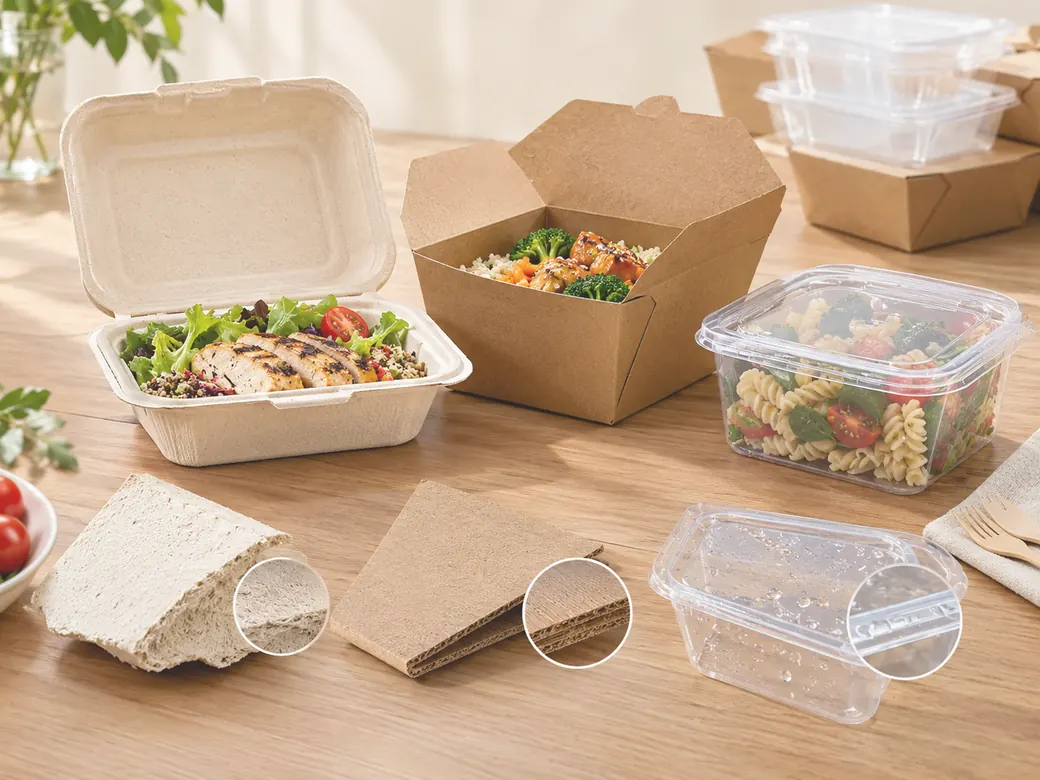
What “Microwave-Safe” Really Means: Materials, Venting and Hot Spots
Product selection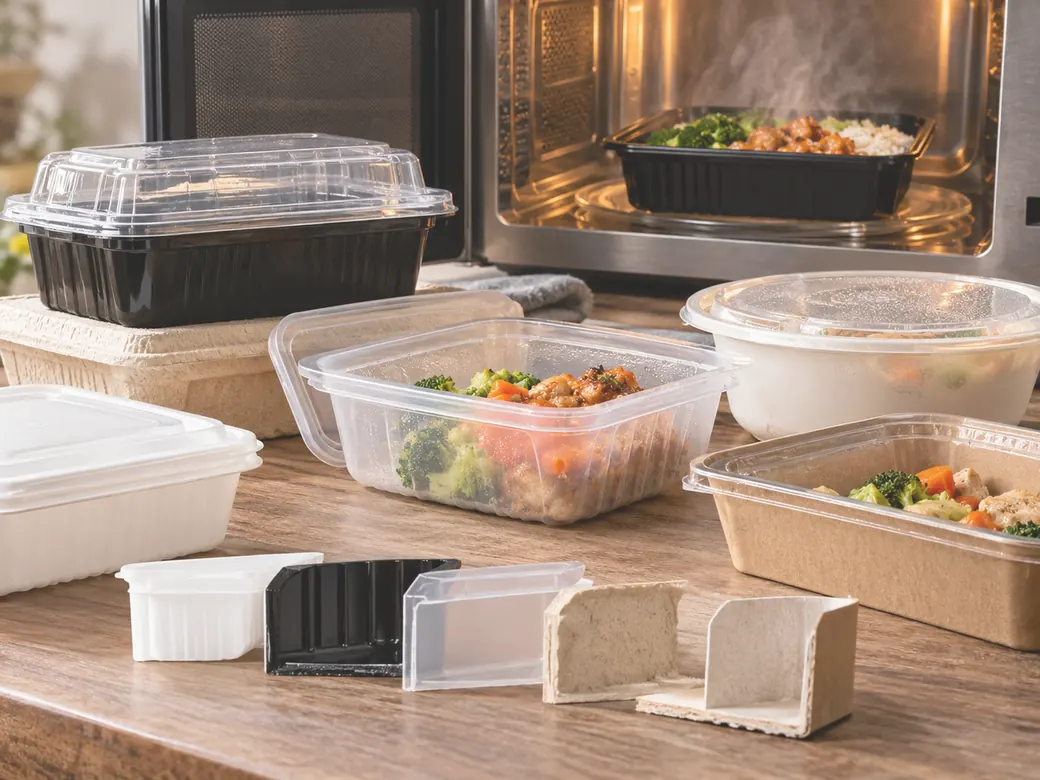
APET vs CPET: Why the Same Polymer Family Behaves Differently Under Heat
Materials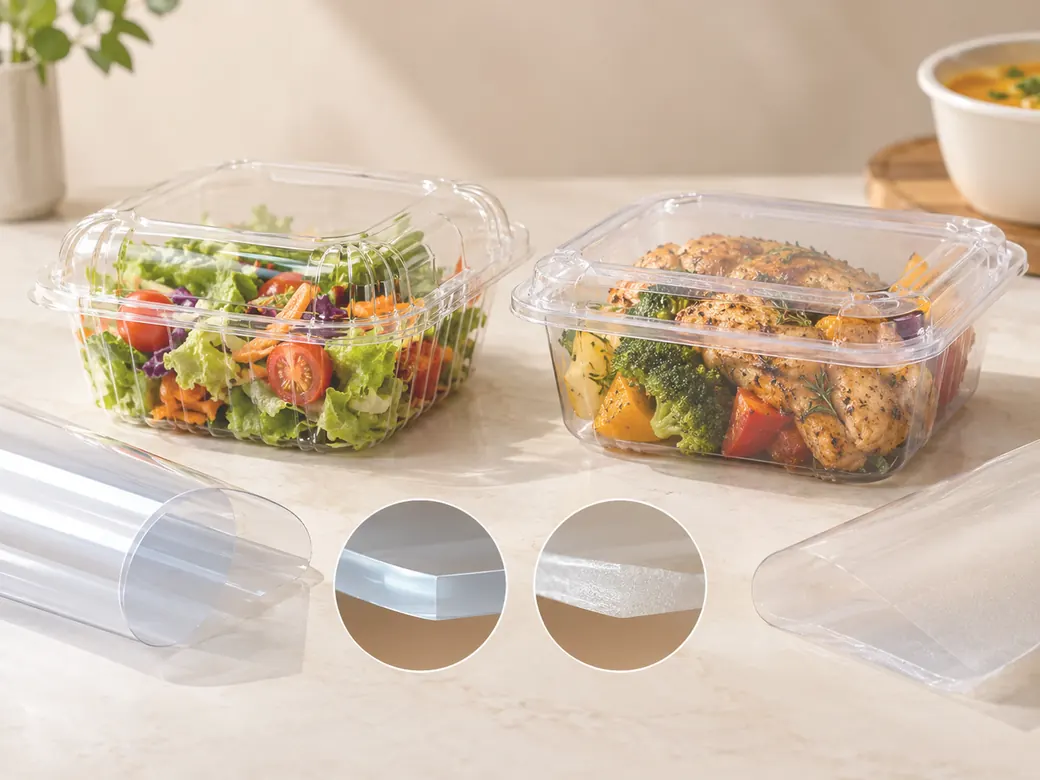
500 mL Does Not Equal a 500 mL Serving: Nominal Volume, Fill Volume and Headspace
Product selection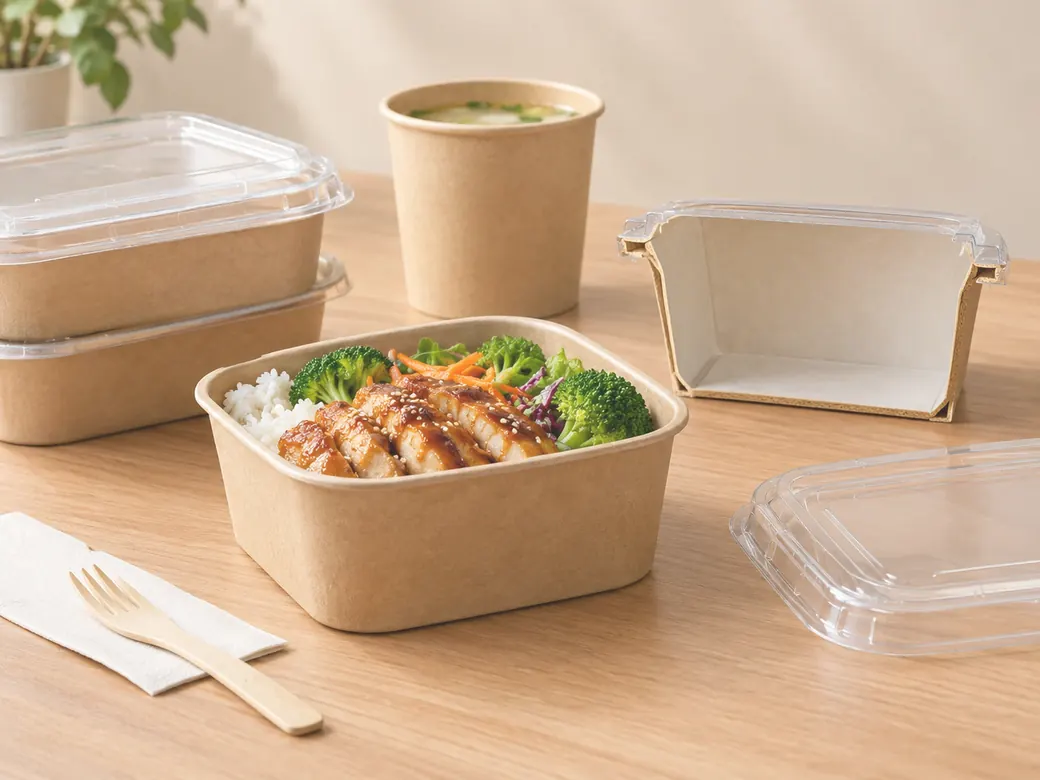
Container Dimensions Are More Than Length and Width: Height, Corners and Stacking
Product selection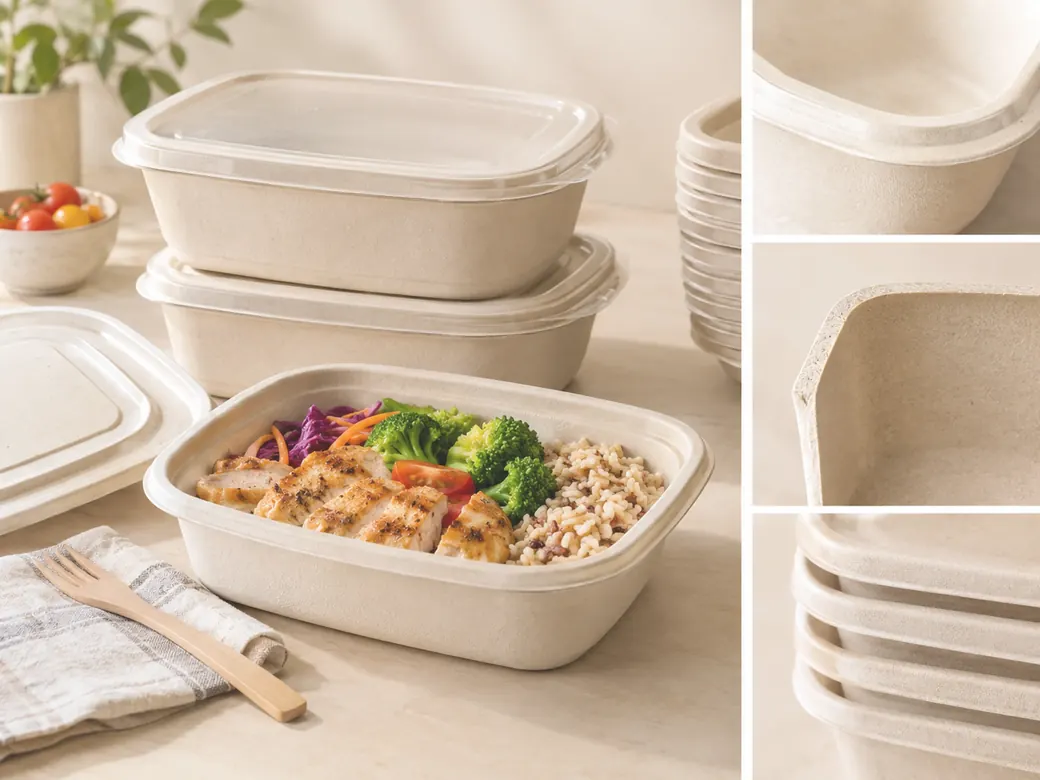
Checking Container Leak Resistance: Latches, Rims and Transport
Product selection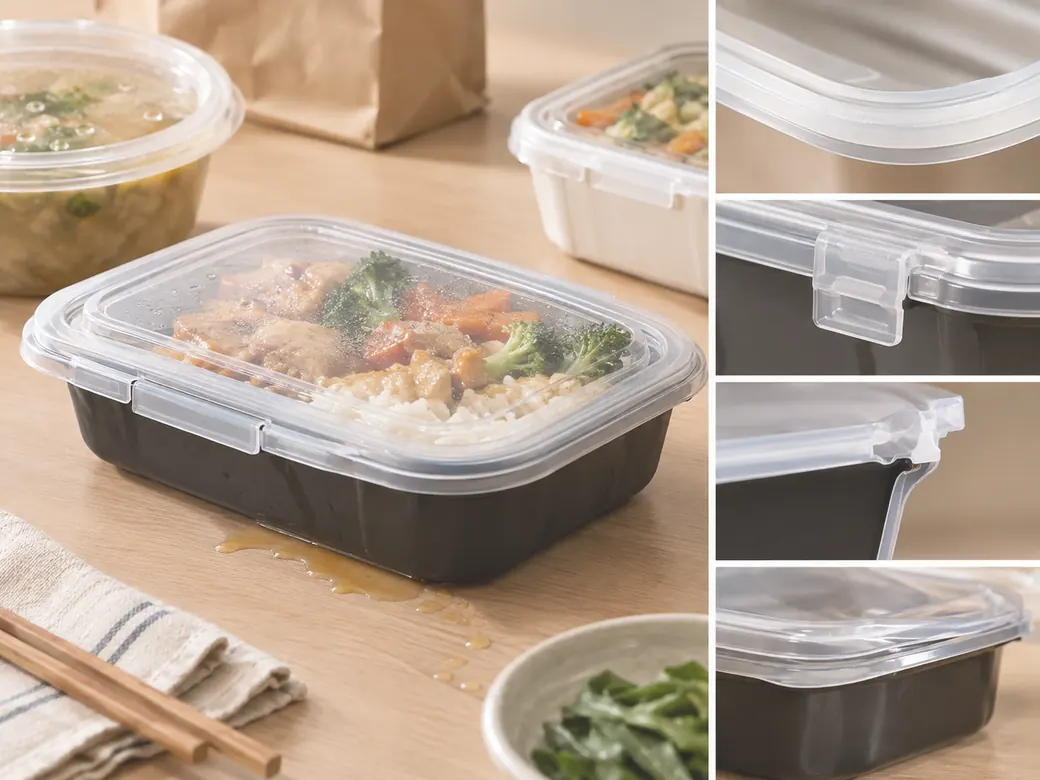
Round Bowls, Square Boxes and Compartments: How Shape Changes Food Service
Product selection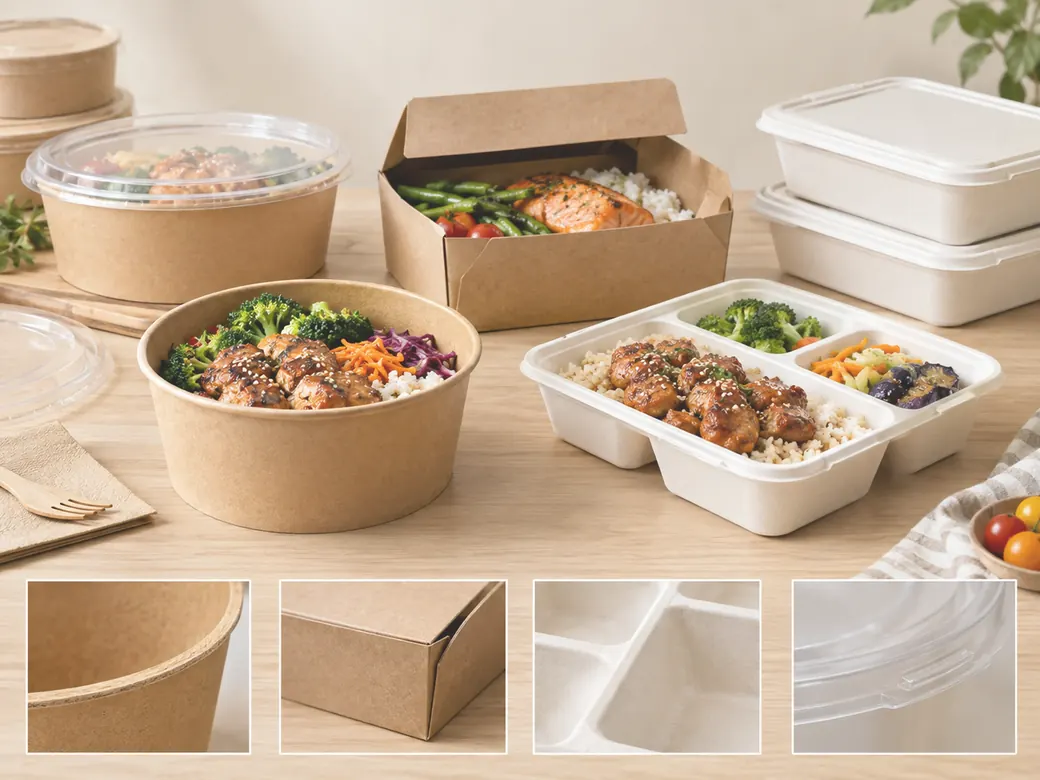
Clear Lids, Snap Lids and Sealing Films: Display, Leak Resistance and Opening
Product selection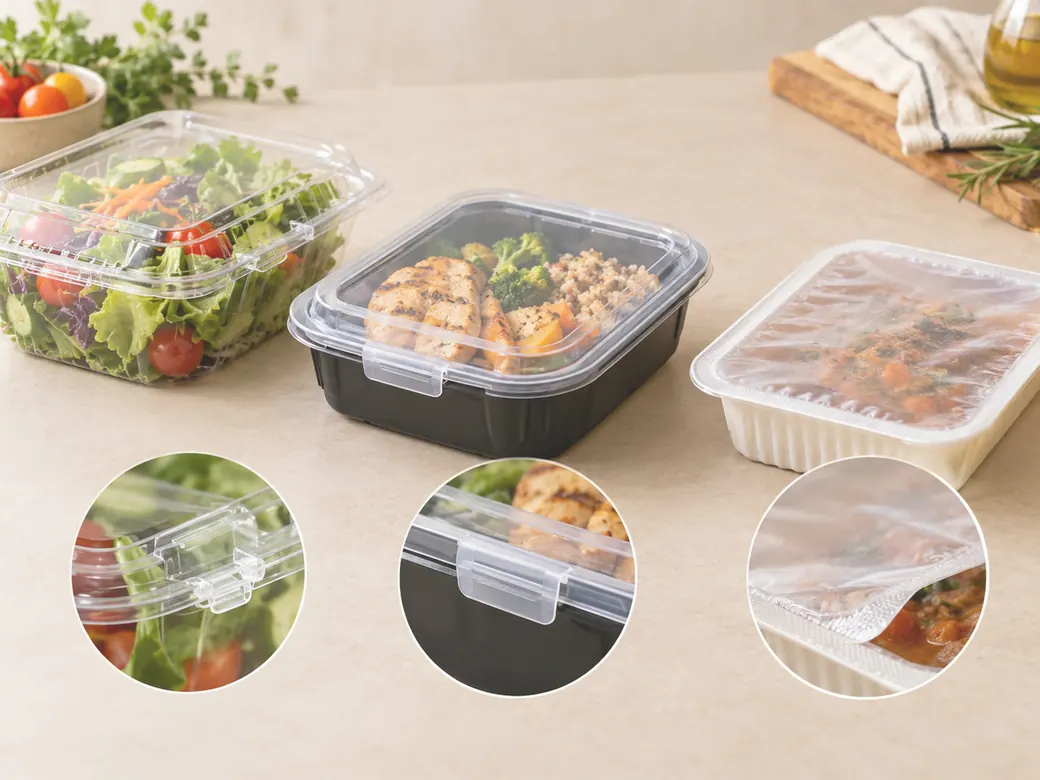
Why Cups and Lids Are Designed as a System: Diameter, Retention and Spill Control
Product selection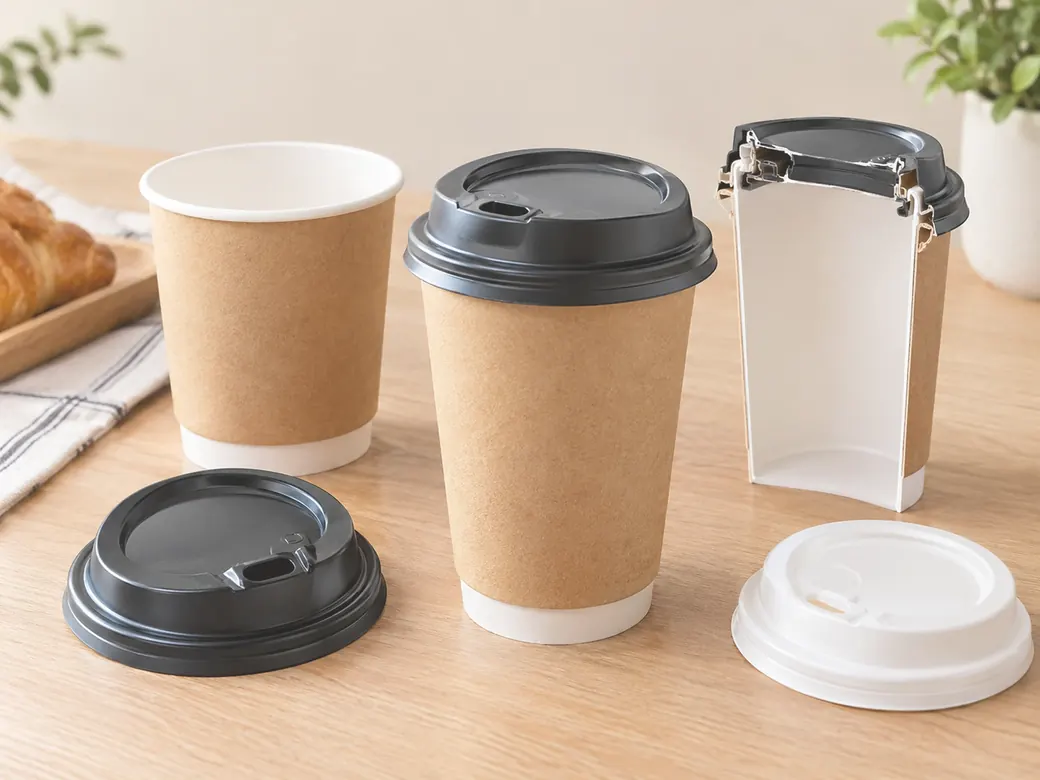
Is Kraft Packaging Always Greener? Brown Paper, White Paperboard and Coatings
Materials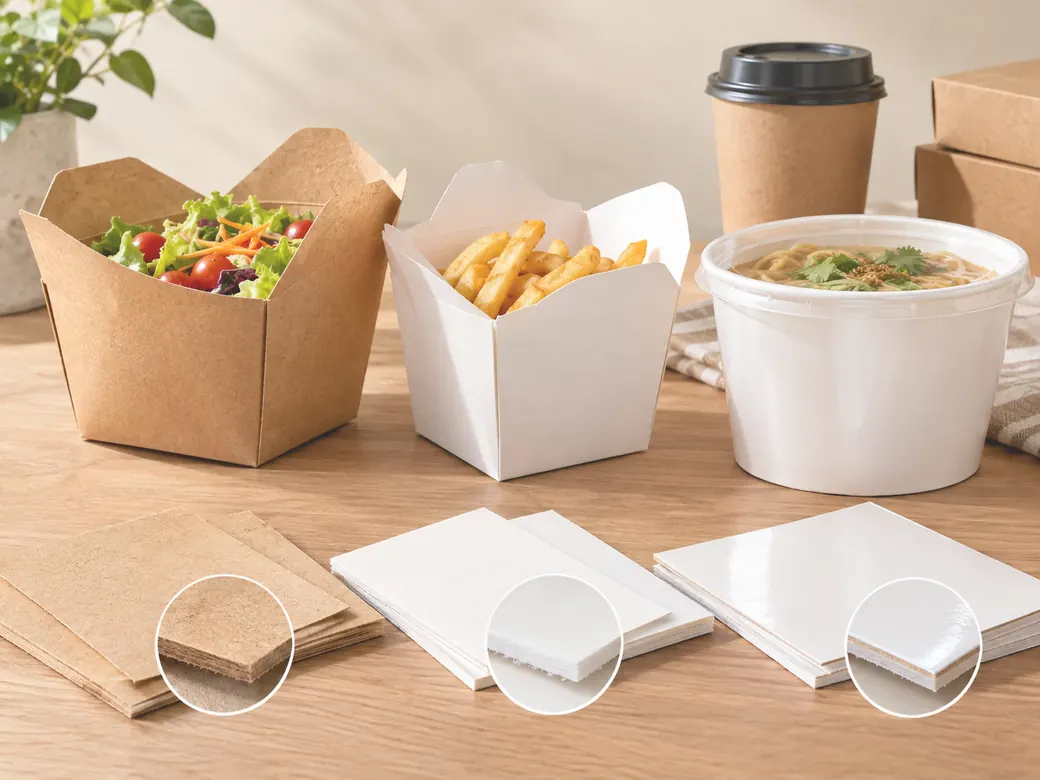
Choosing Bubble-Tea Cups: PET, PP, Paperboard and Lid Design
Restaurant solutions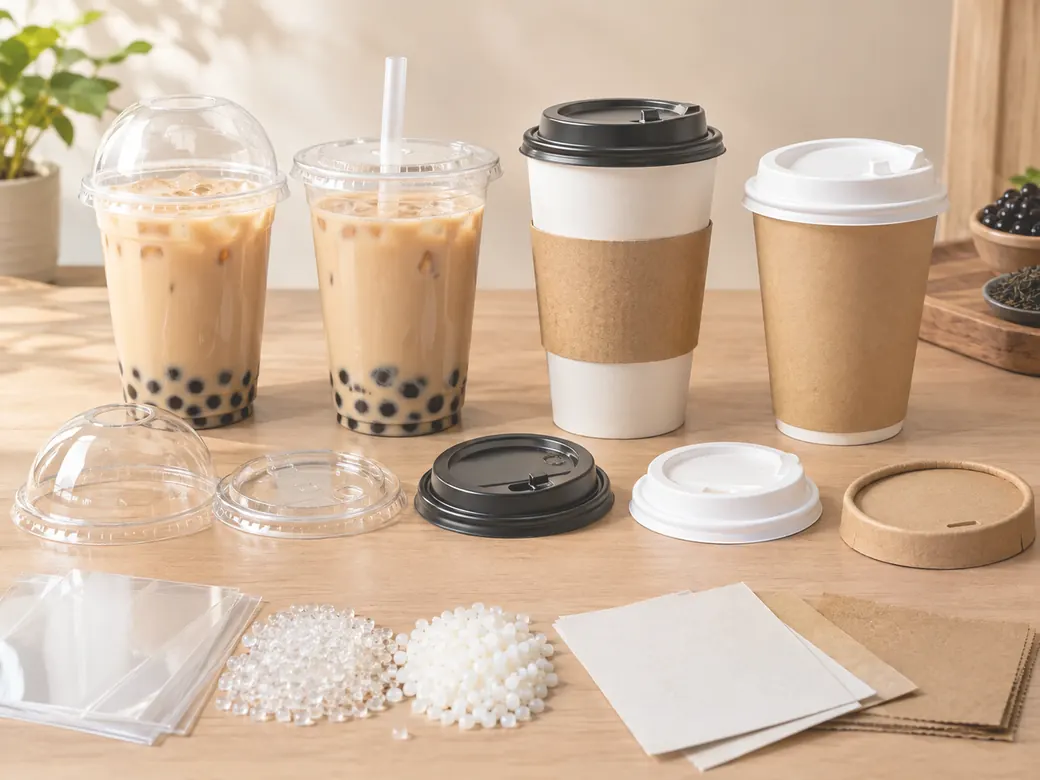
Takeaway Coffee Cups Are More Than Paper: Liners, Heat Protection and Leak Control
Restaurant solutions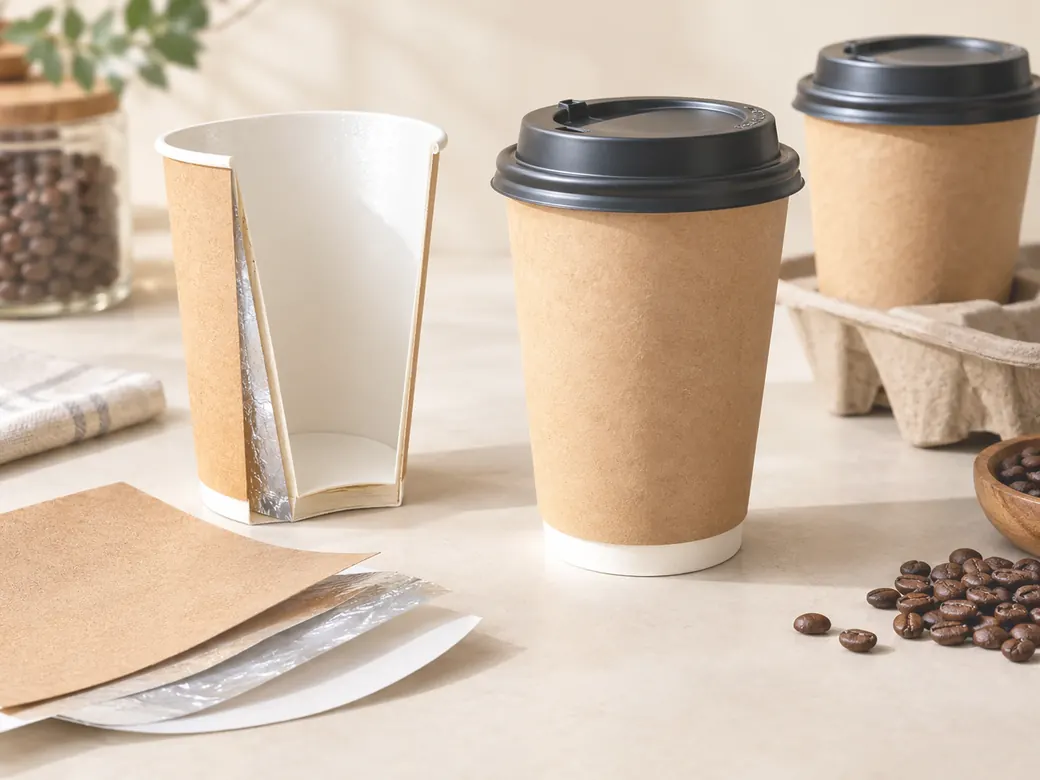
What Are Bagasse Containers Made From? Molded Fiber, Wet Strength and Grease Resistance
Materials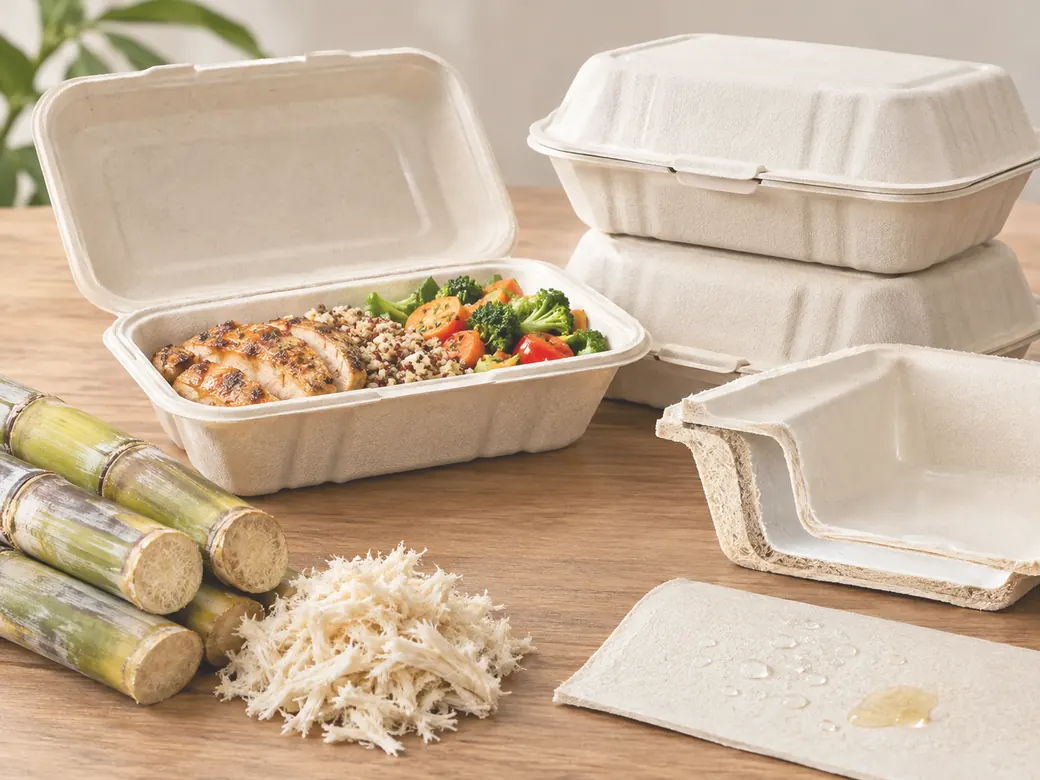
How Bakery and Dessert Boxes Protect Food: Height, Inserts, Grease and Condensation
Restaurant solutions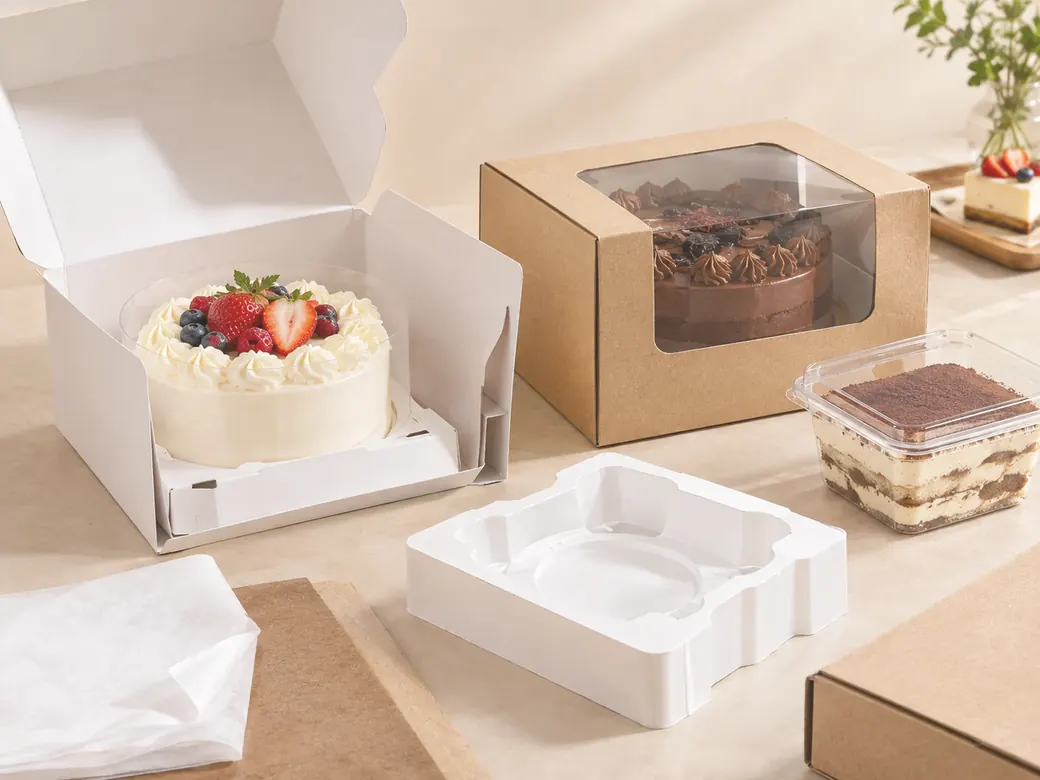
Why Salad Containers Need Breathability: Moisture, Produce Respiration and Leak Control
Restaurant solutions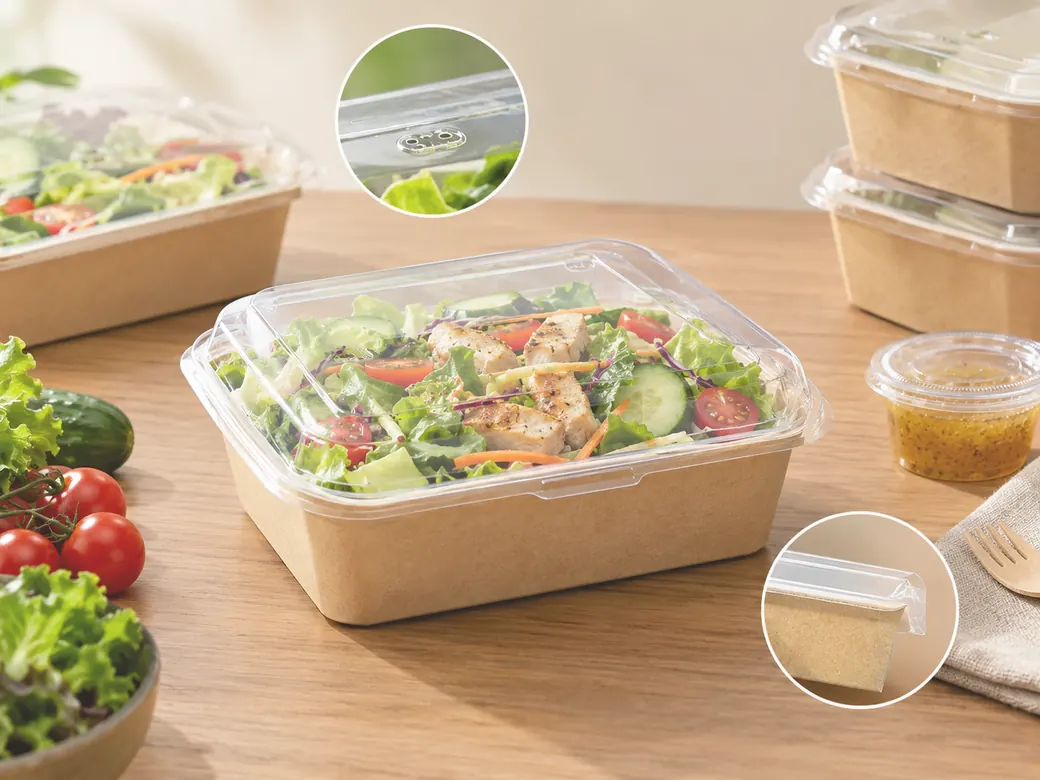
Why Hot Soup, Hotpot and Saucy Takeaway Foods Challenge Containers
Restaurant solutions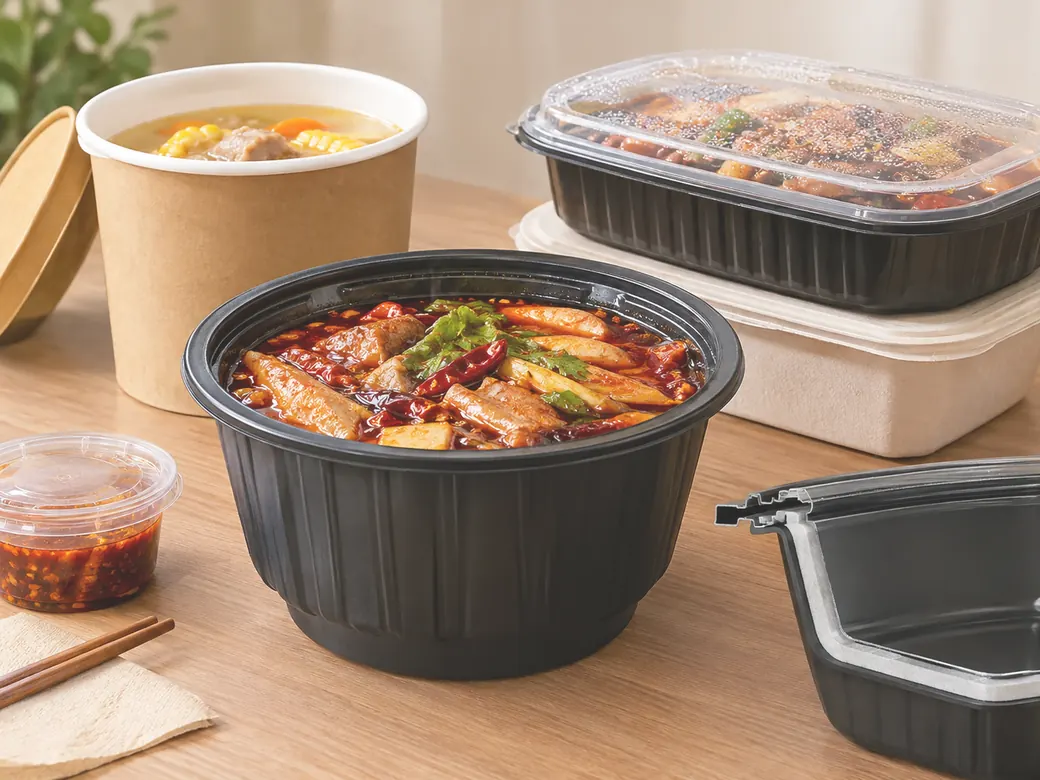
Food-Packaging Barrier Properties Explained: Oxygen, Moisture, Grease and Aroma
Materials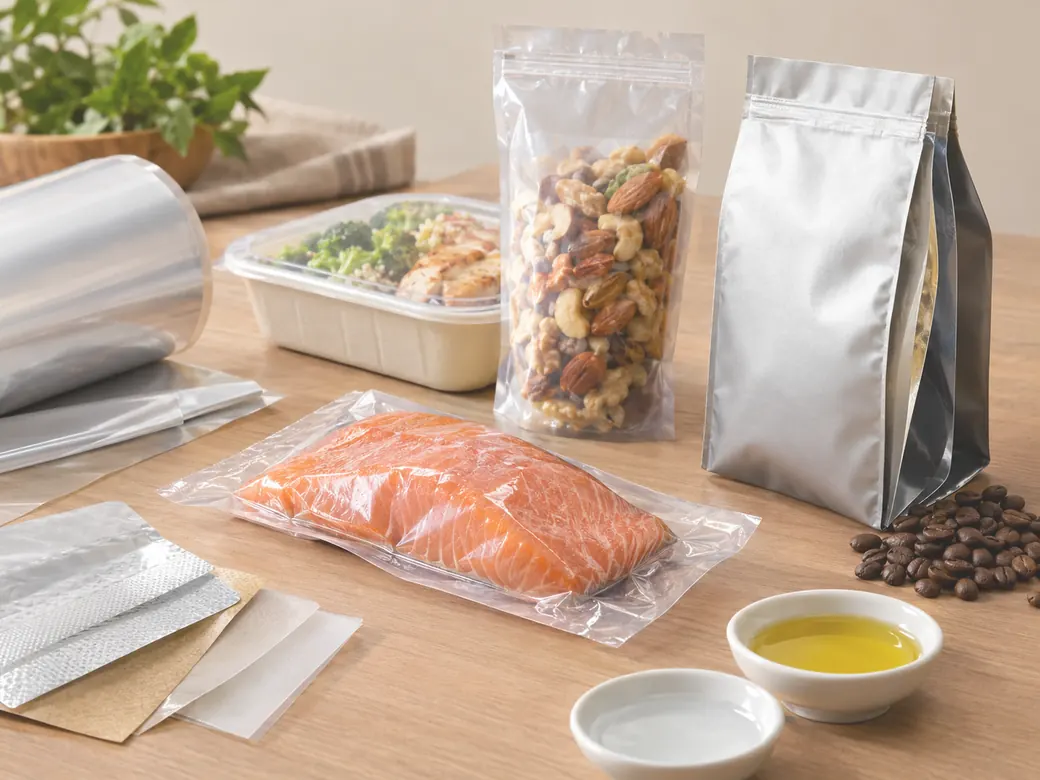
Is Lighter Packaging Always Better? Balancing Lightweighting, Stiffness, Stacking and Food Loss
Materials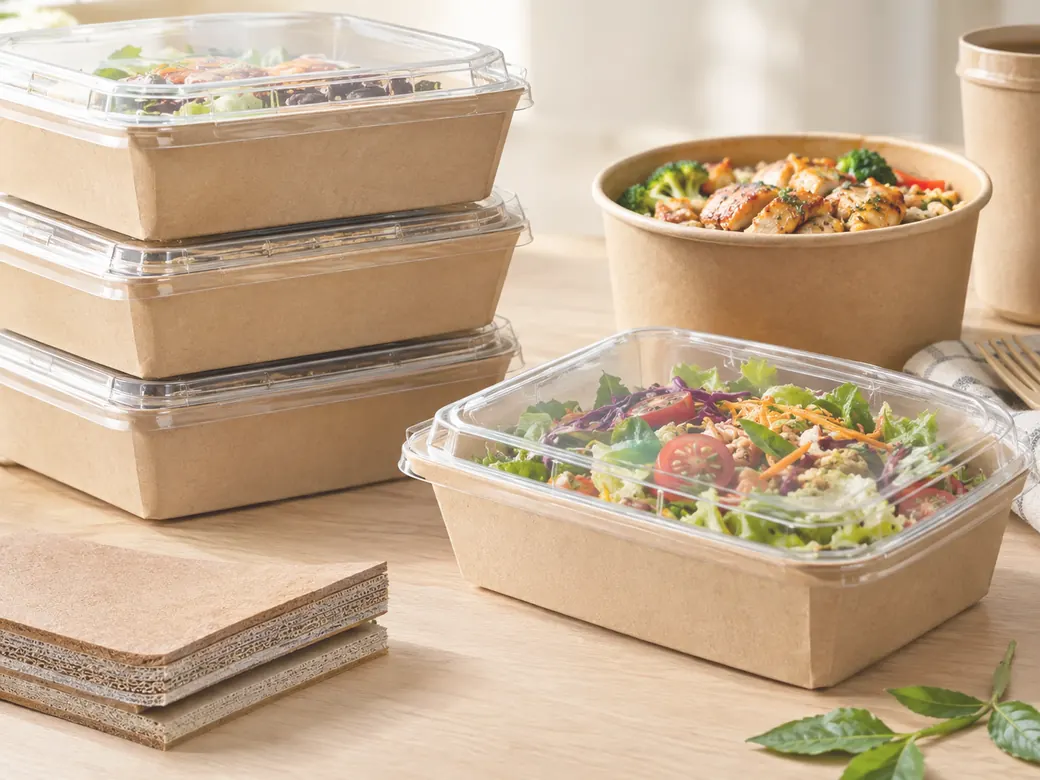
What Does Odor in a Food Container Mean? Resin, Processing, Storage and Sensory Checks
Materials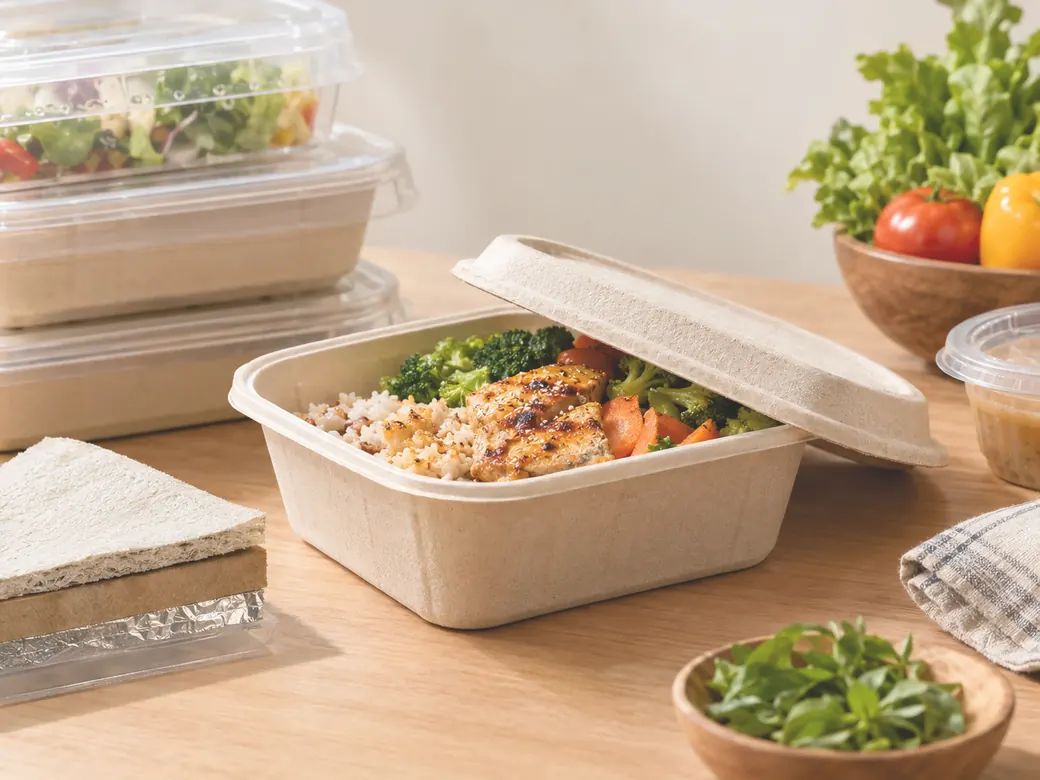
How a Plastic Food Container Is Made: Resin, Sheet, Thermoforming and Injection Molding
Materials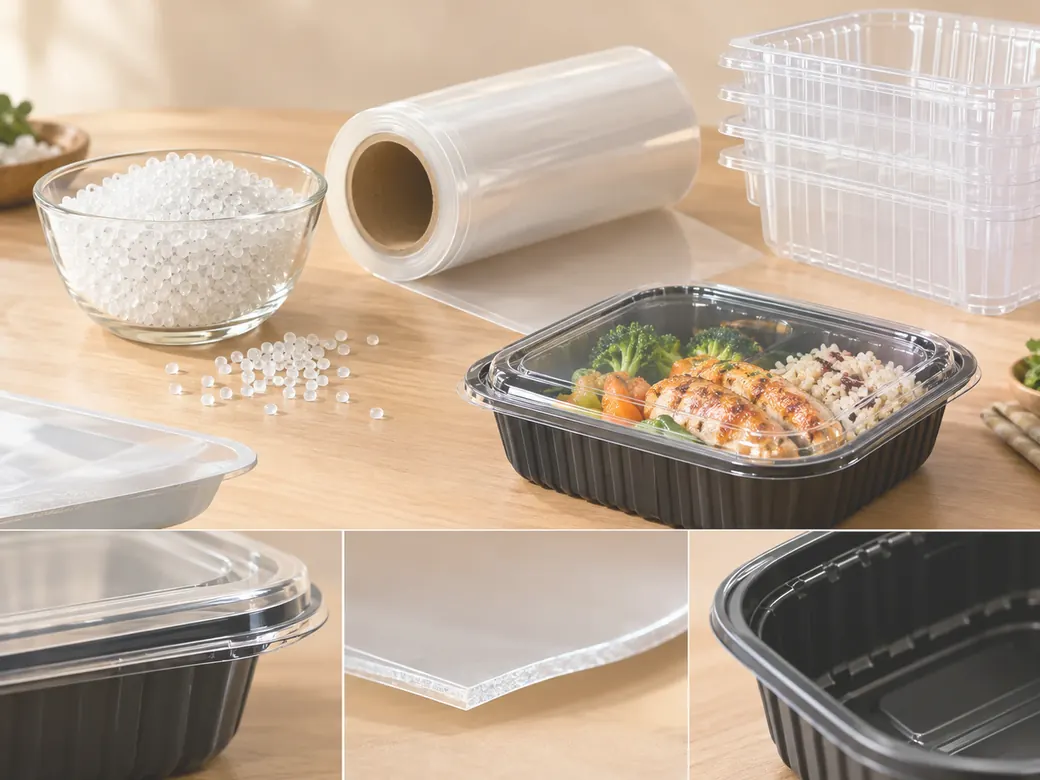
What Makes Paper Cups and Boxes Water-Resistant: PE, PLA Liners and Composite Structures
Materials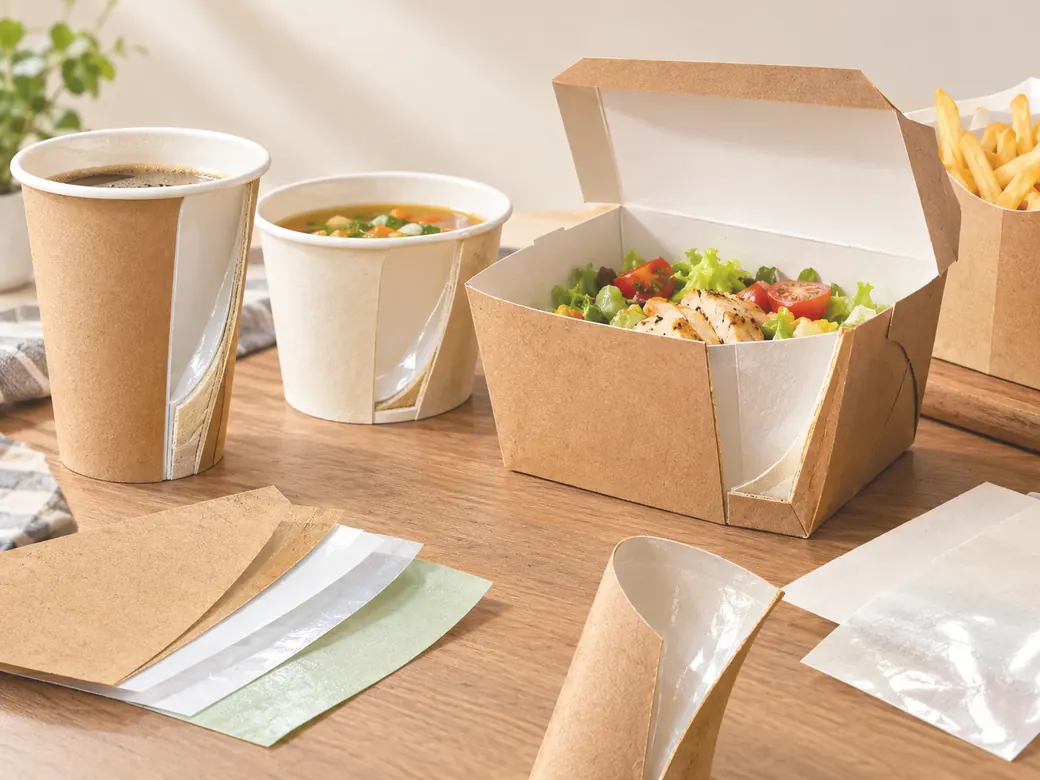
When Aluminum-Foil Containers Work: Heat Transfer, Acidic Foods and Heating Methods
Materials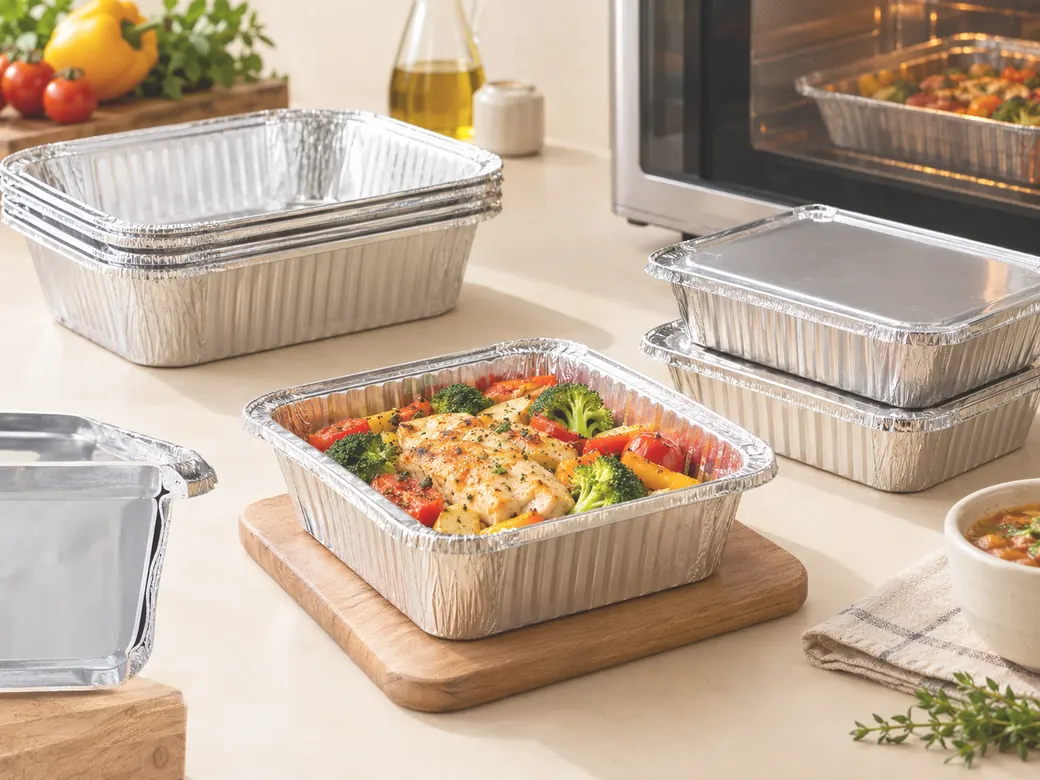
PS, PP and PET Food Containers Compared: Stiffness, Toughness, Clarity and Use Limits
Materials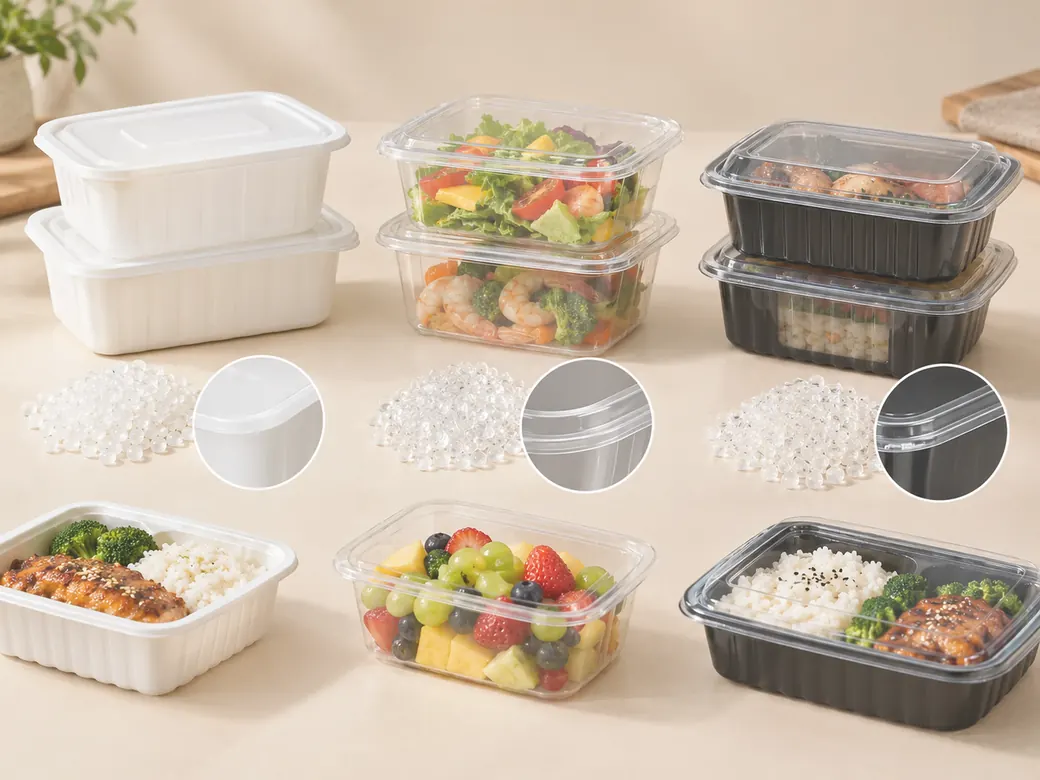
Can Disposable Food Containers Be Reused? Scratches, Washing, Heat and Design Life
Materials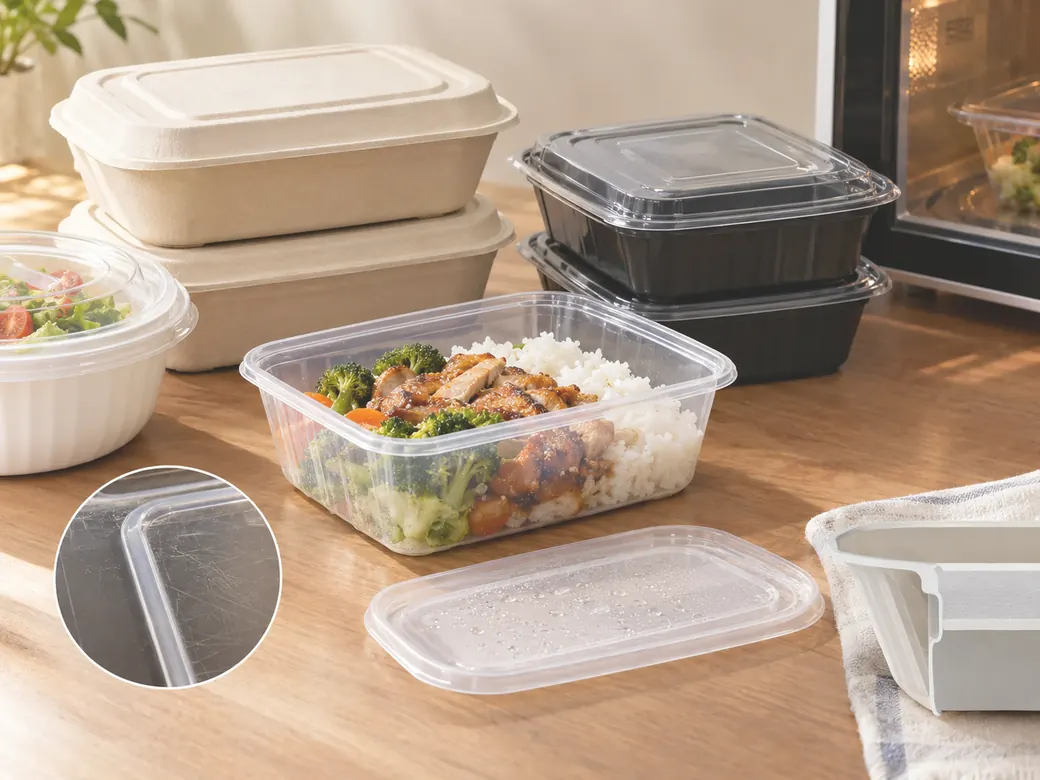
How to Test Takeaway Containers for Leaks: Tilt, Vibration, Stacking and Temperature
Product selection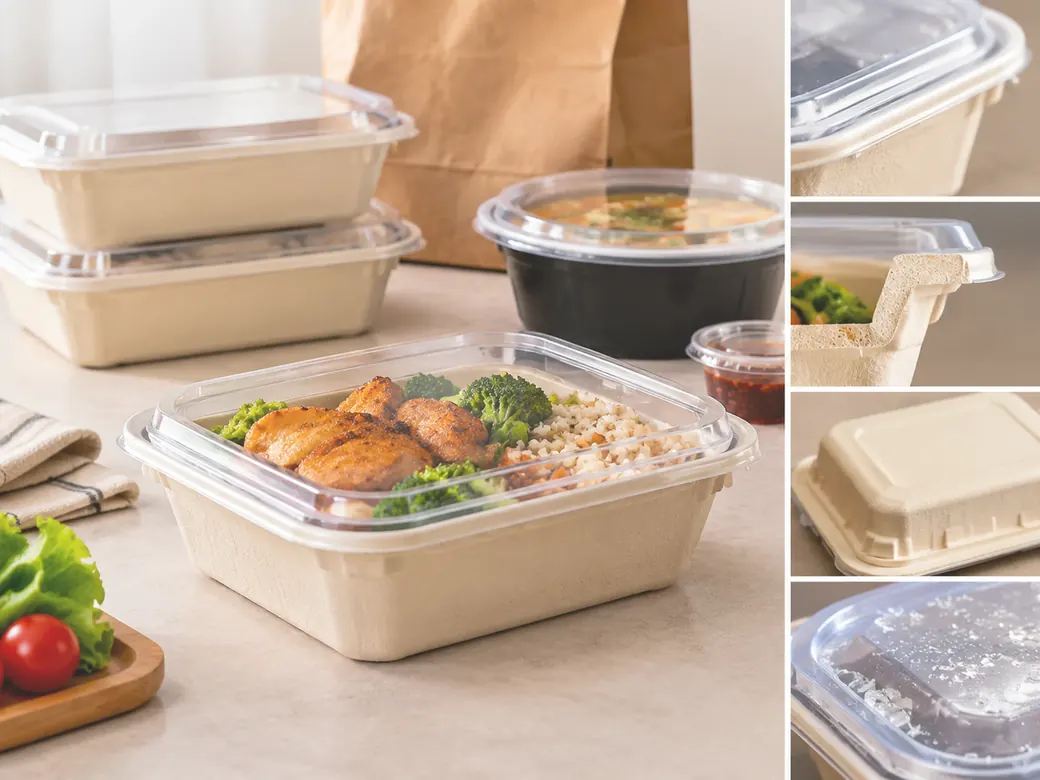
Why Food-Packaging Stacks Fail: Buckling, Load and Storage Temperature
Product selection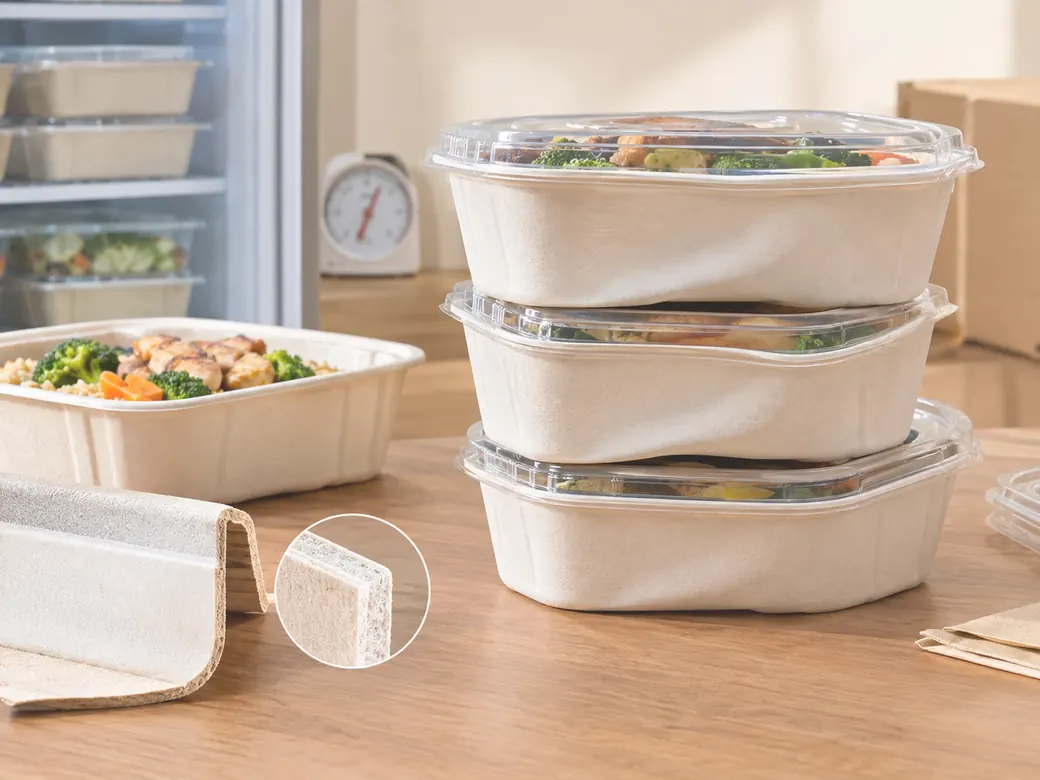
From Freezer to Microwave: Thermal Shock, Brittleness and Deformation in Food Containers
Product selection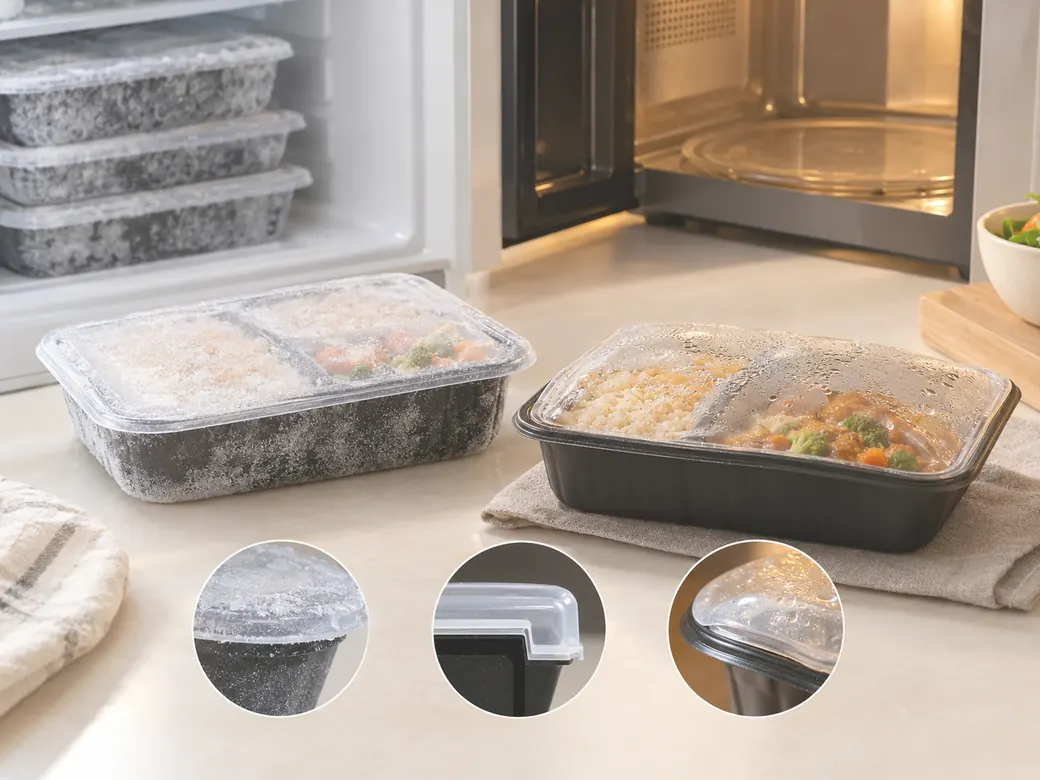
Compartment vs Single-Compartment Containers: Flavor, Capacity, Sealing and Recovery
Product selection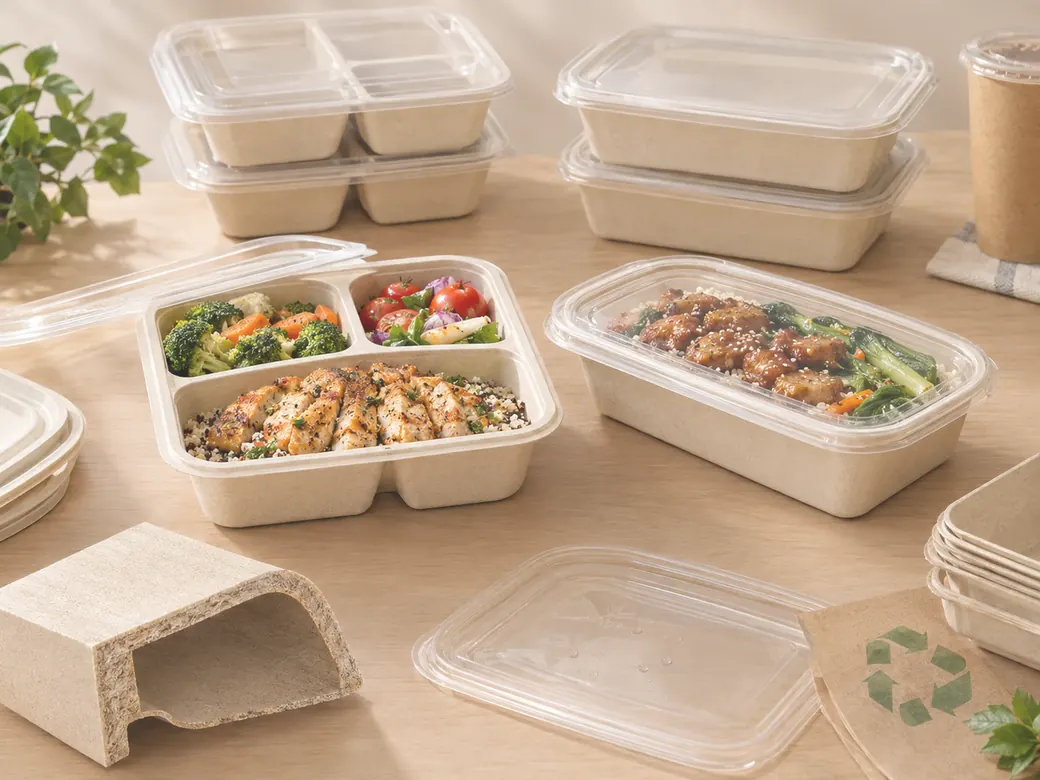
Is Clear Packaging Always Better? Display, Condensation, Light and Food Loss
Product selection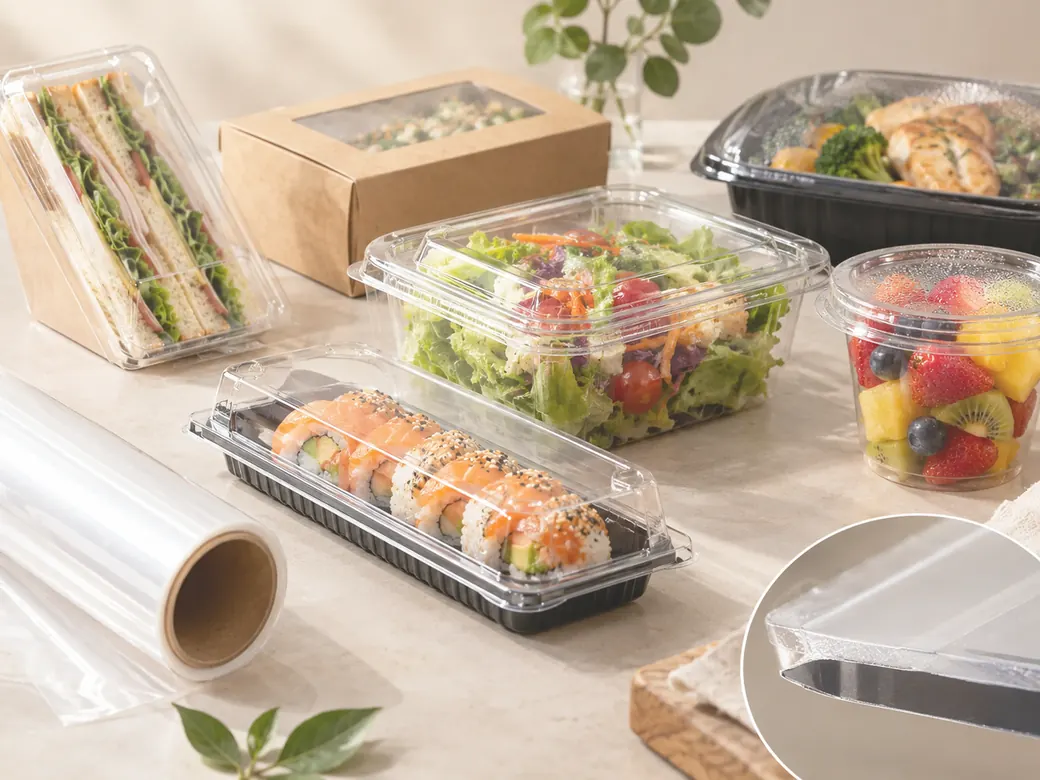
How Printing and Ink Affect Food Packaging: Contact Surfaces, Odor and Abrasion
Brand packaging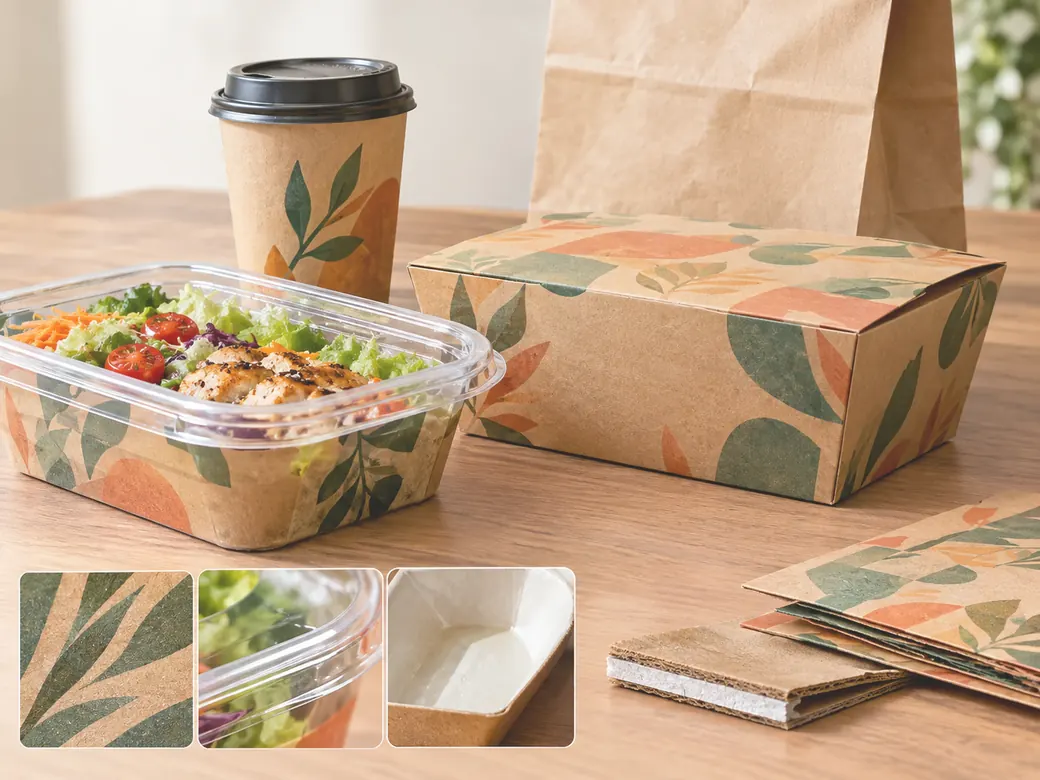
rPET vs Virgin PET: Recycled Feedstock, Decontamination and Food-Contact Use
Materials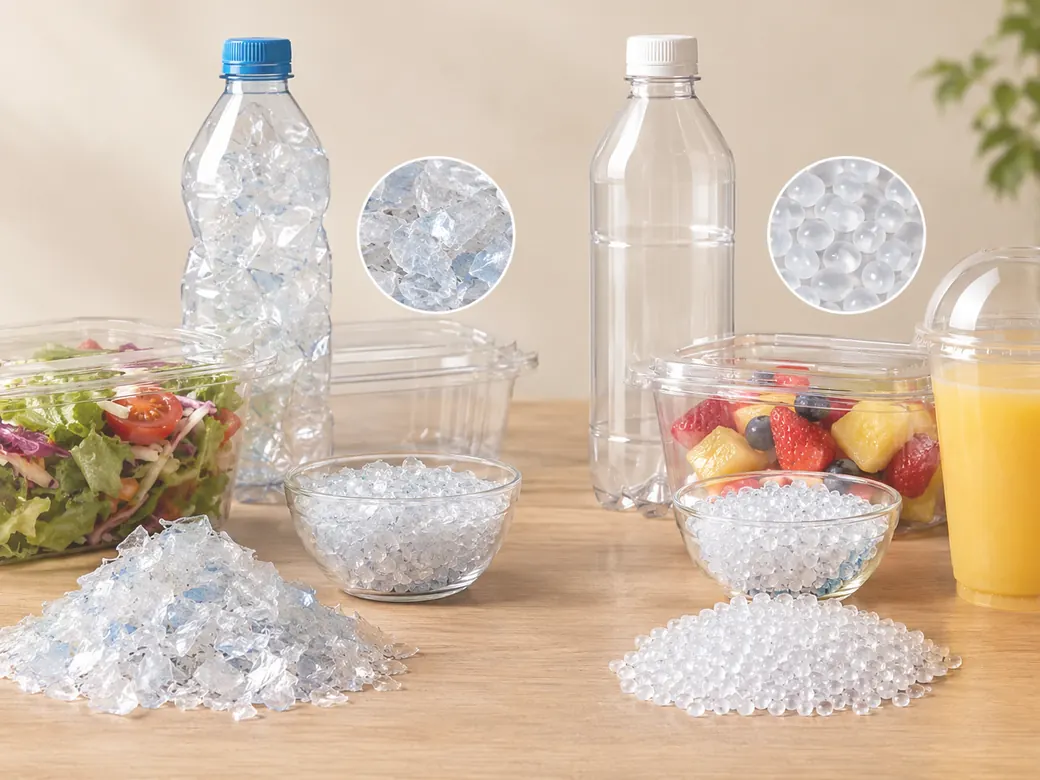
What Do 1, 5 and 7 Mean on Food Containers? Resin Codes and Use Labels
Materials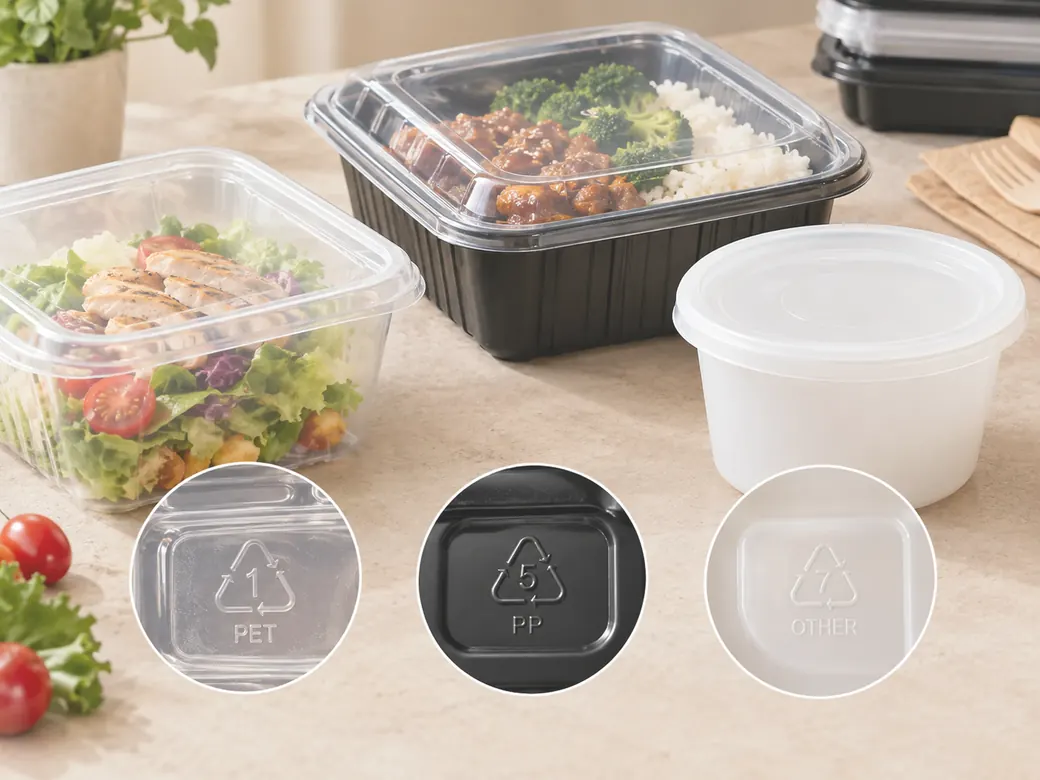
Vacuum vs Modified-Atmosphere Packaging: Oxygen, Respiration and the Cold Chain
Product selection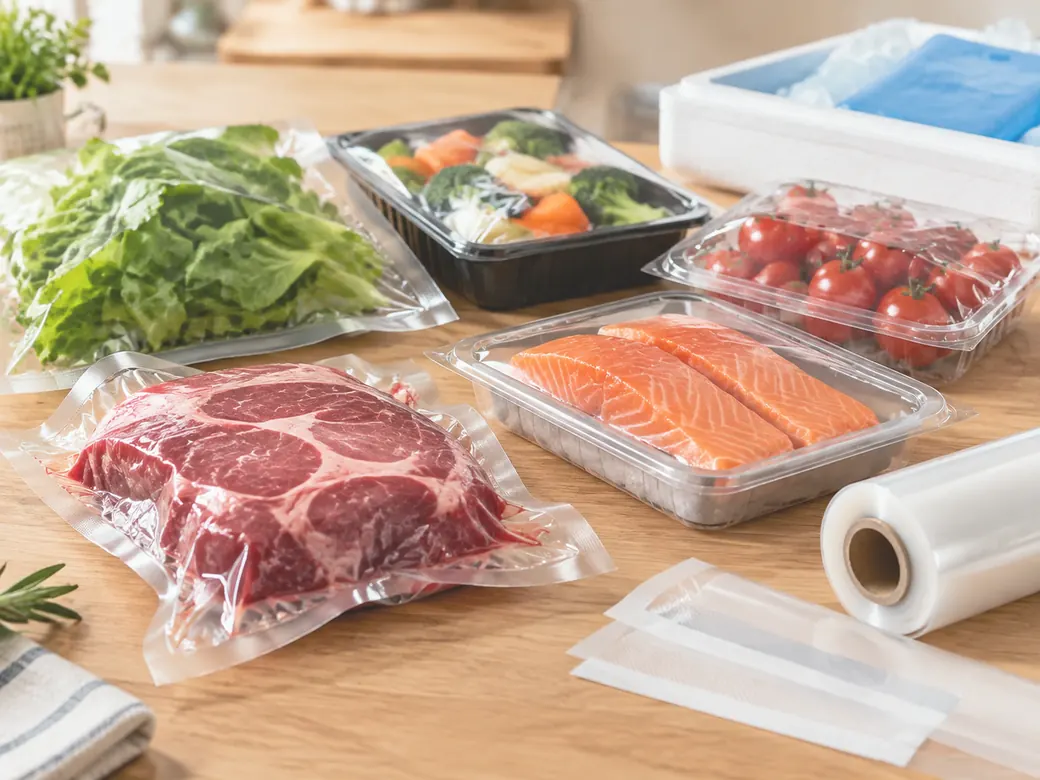
Does Having a Certificate Mean Compliance? Documents, Test Reports and Intended Use
Food contact compliance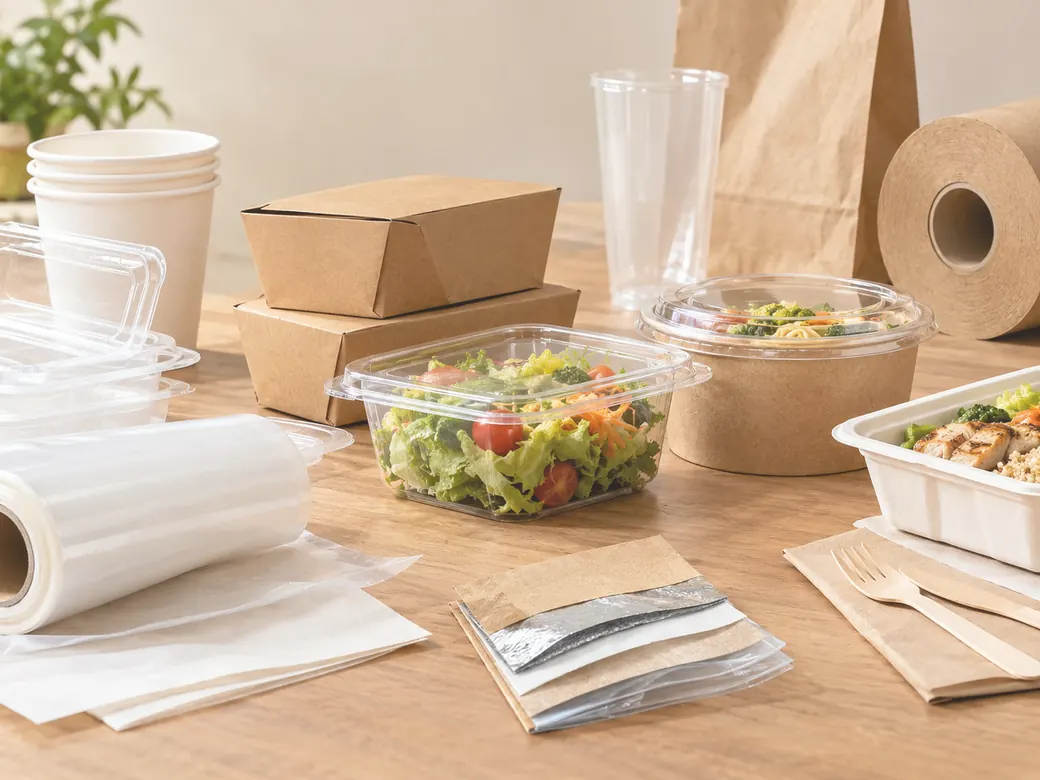
Choose Food Packaging by Function: From Food Properties to Material, Structure and End of Life
Product selection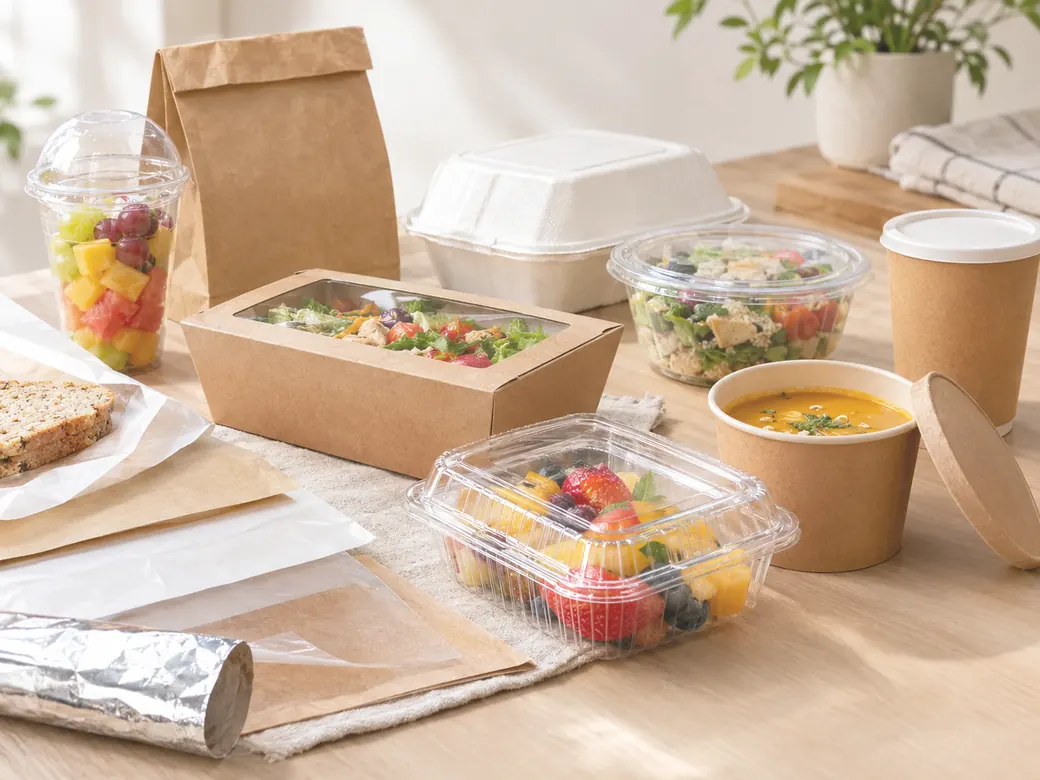
Bring a question, leave with a spec.
Tell us what you serve and how it travels. We help you settle material, size and lid, and reply within one working day.