Preface
A 500 mL label is often read as permission to fill 500 mL of any food. Shape, food density, headspace, lid geometry and transport posture change the usable capacity.
Capacity has at least three meanings: brimful capacity when water reaches the edge, working capacity that preserves closure and transport stability, and the practical fill for a particular food. Soup, rice, sauced sides and an airy salad occupy different volumes; equal mass does not mean equal milliliters.
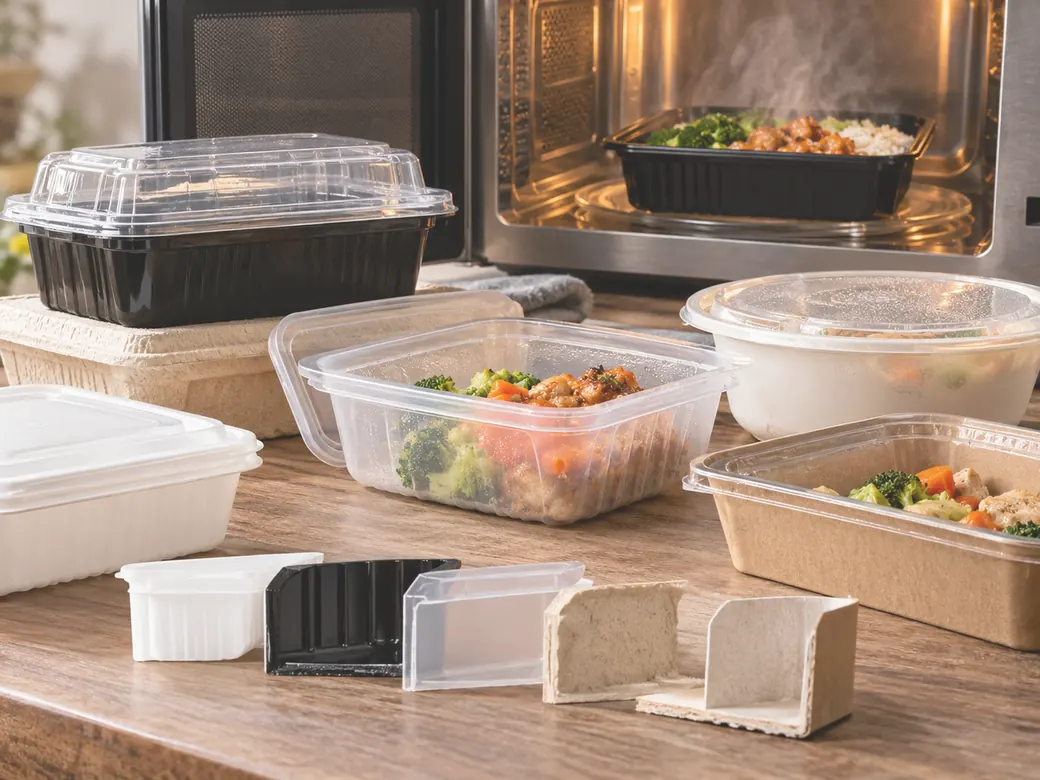
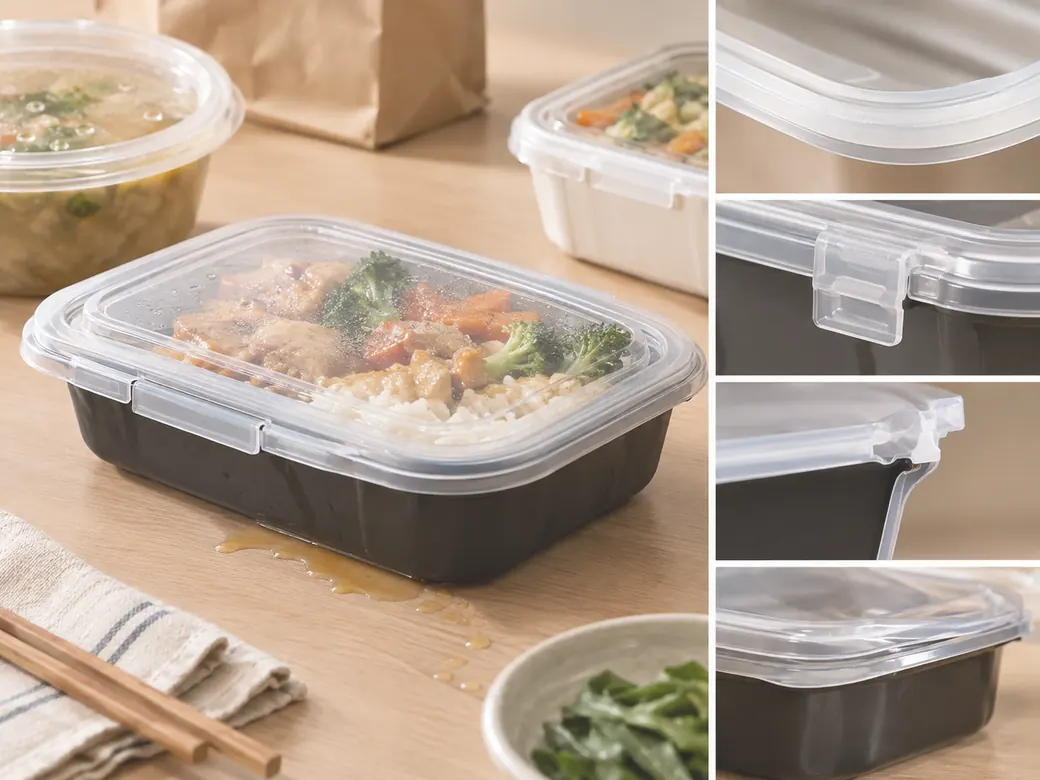
Headspace is part of the design. Hot soup needs room for steam and movement, and reheating needs room before boiling liquid reaches the lid. Salad needs space for leaves and dressing to move. A dessert needs clearance so cream or fruit is not crushed. A 500 mL label does not mean that a 500 mL fill is the right operating point.
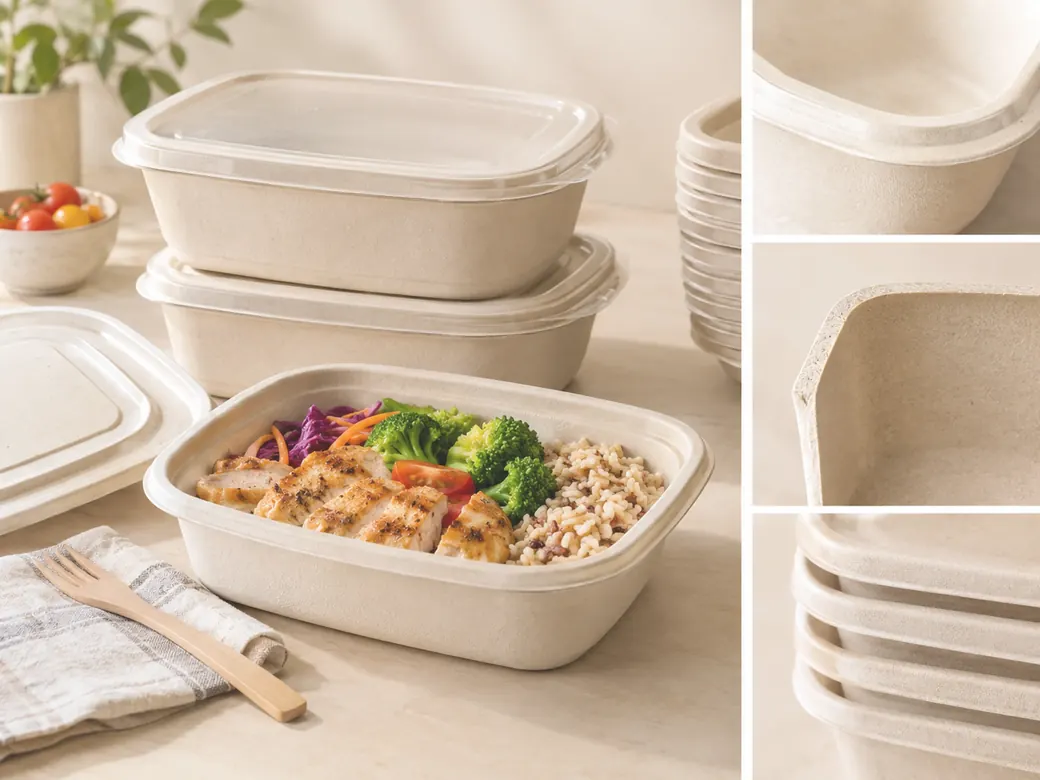
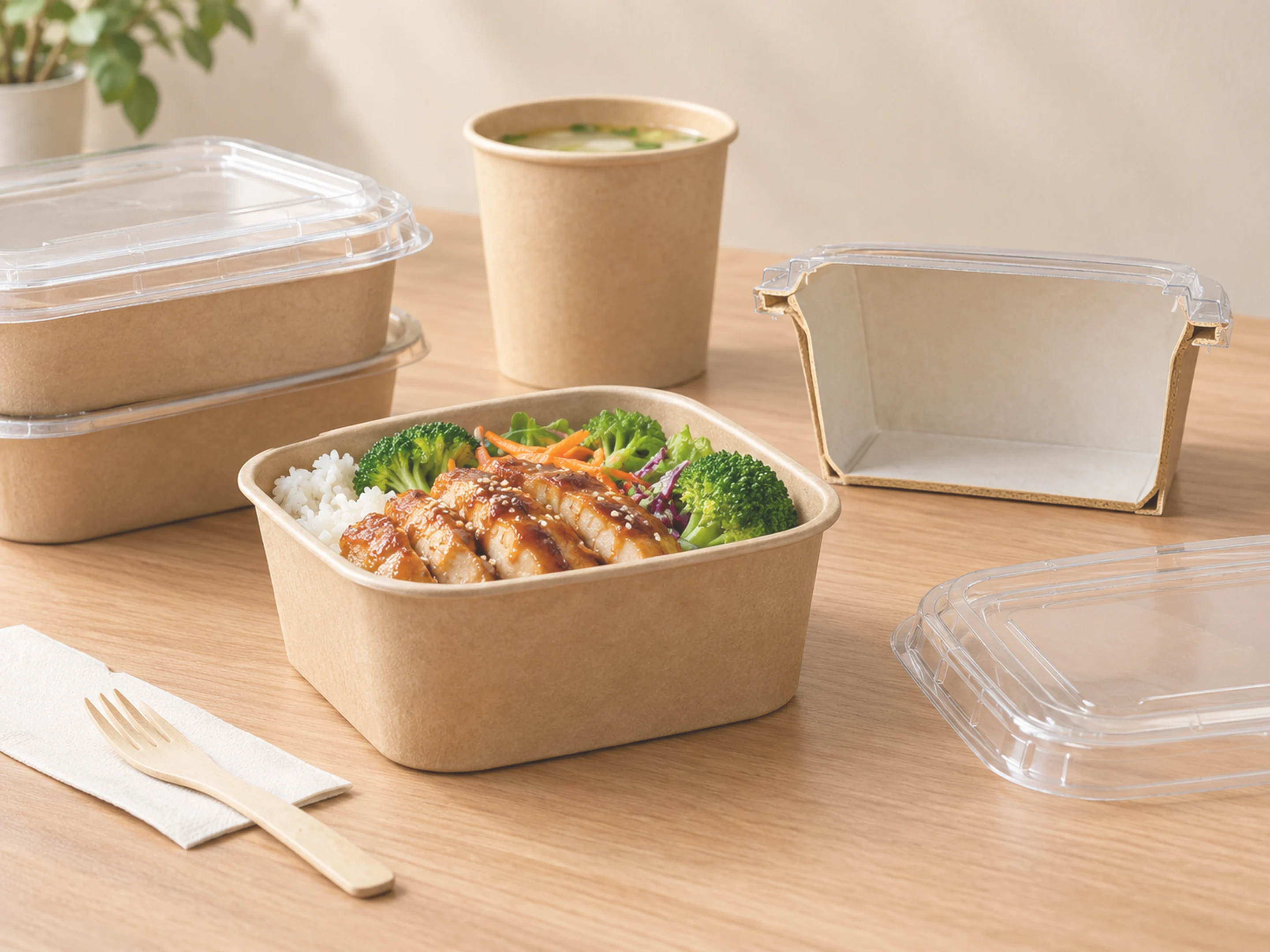
Shape also changes usable capacity. A deep narrow box may have the same geometric volume but be harder to fill, eat from and stack. A wide shallow box helps display and layering but increases lid area and transport footprint. Rounded corners reduce stress concentration but remove some theoretical corner volume. Lid domes, recesses and ribs also occupy space.
Use water as a geometric reference, then validate with the target food. Record closure, tilt, vibration, chilled storage and reheating overflow, and write down both mass and volume. Keep the container’s maximum capacity separate from a menu’s recommended portion so a nominal number is not mistaken for a serving standard.
References: [1] FDA — Food Types & Conditions of Use — https://www.fda.gov/food/packaging-food-contact-substances-fcs/food-types-conditions-use-food-contact-substances; [2] European Commission — Food Contact Materials — https://food.ec.europa.eu/food-safety/chemical-safety/food-contact-materials_en