Preface
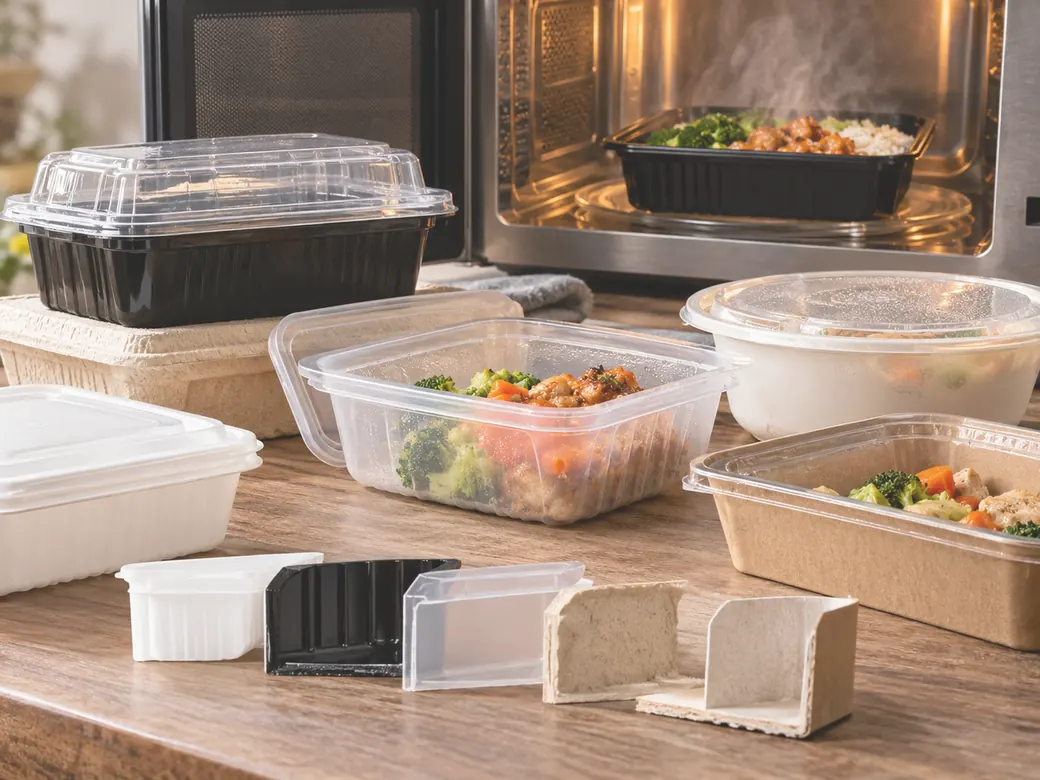
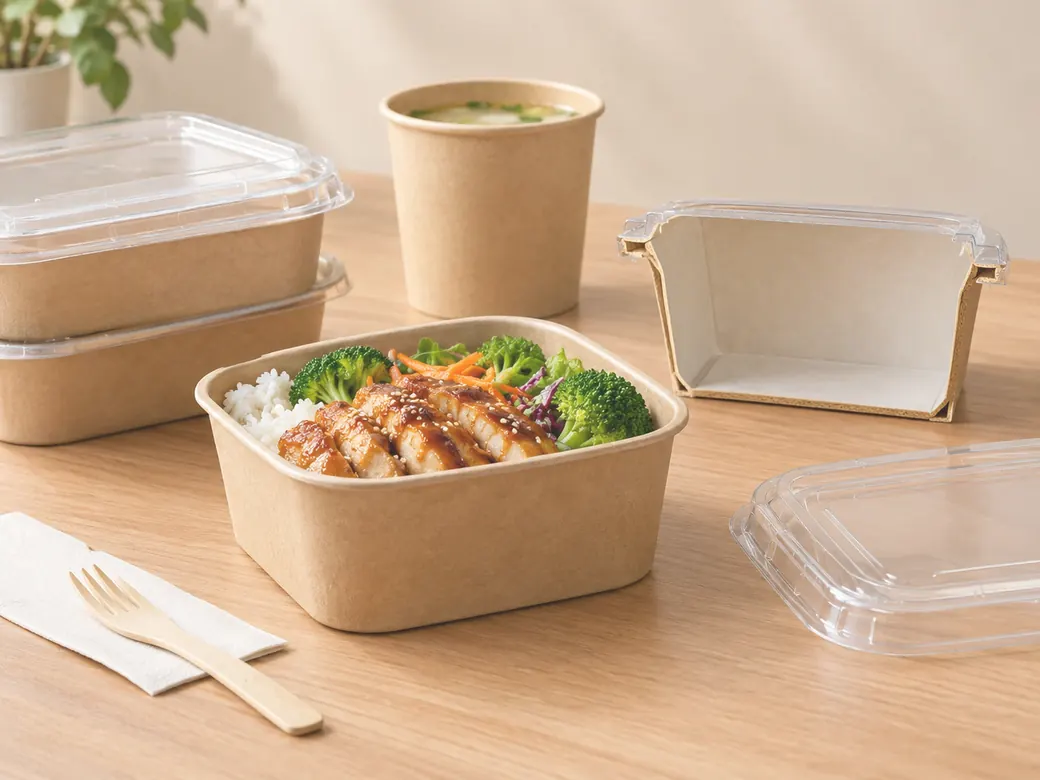
Choosing a box by length, width and height alone misses corners, flanges, lid clearance and stacking gaps. This guide connects geometry with food and transport.
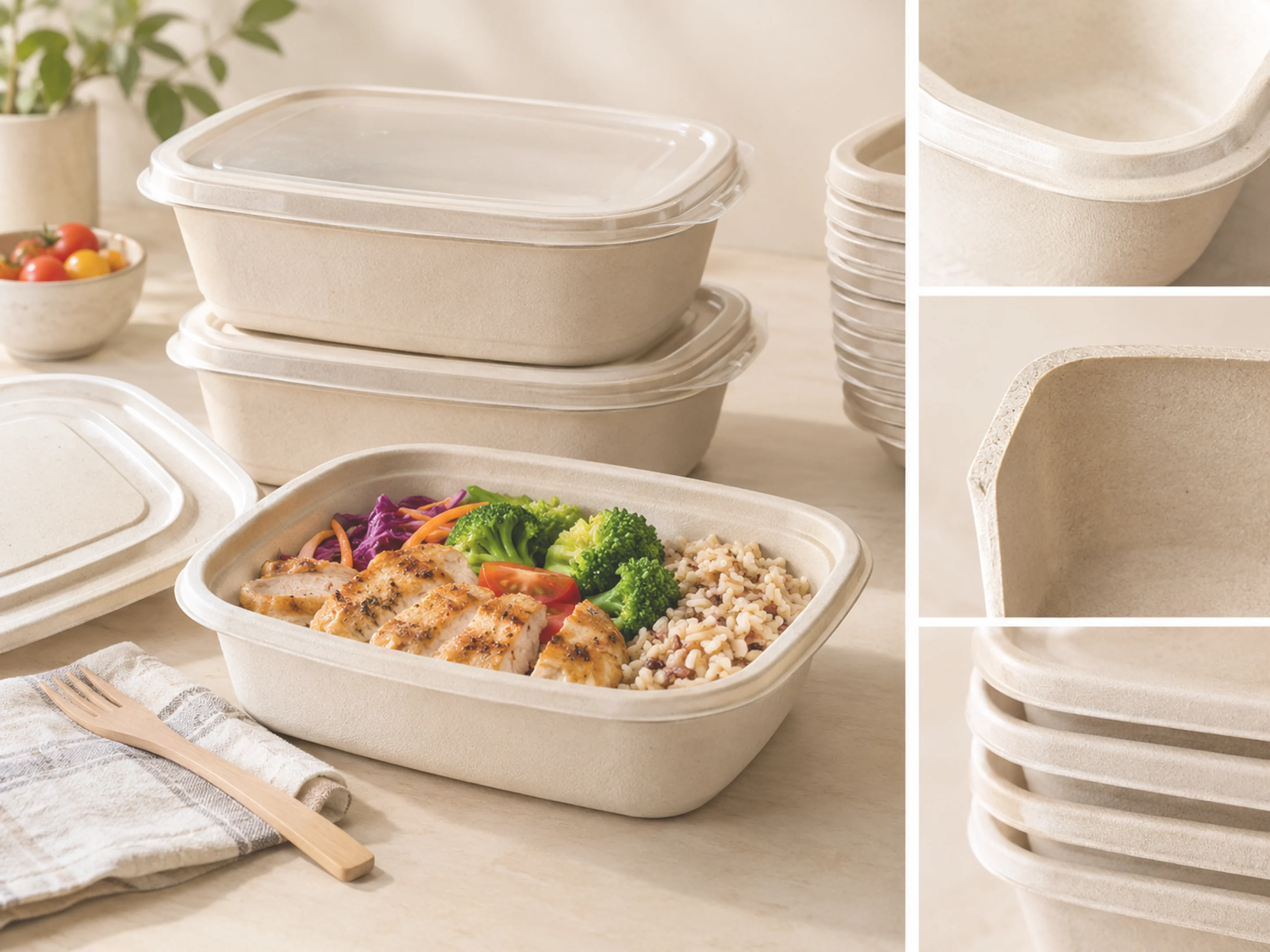
Container dimensions determine more than fill volume; they determine where forces travel. A tall narrow box has a higher center of gravity and can load the lid rim during a tilted delivery. A low wide box is more stable but uses more floor area. Rounded corners reduce stress concentration, yet an oversized radius reduces usable volume and changes food placement.
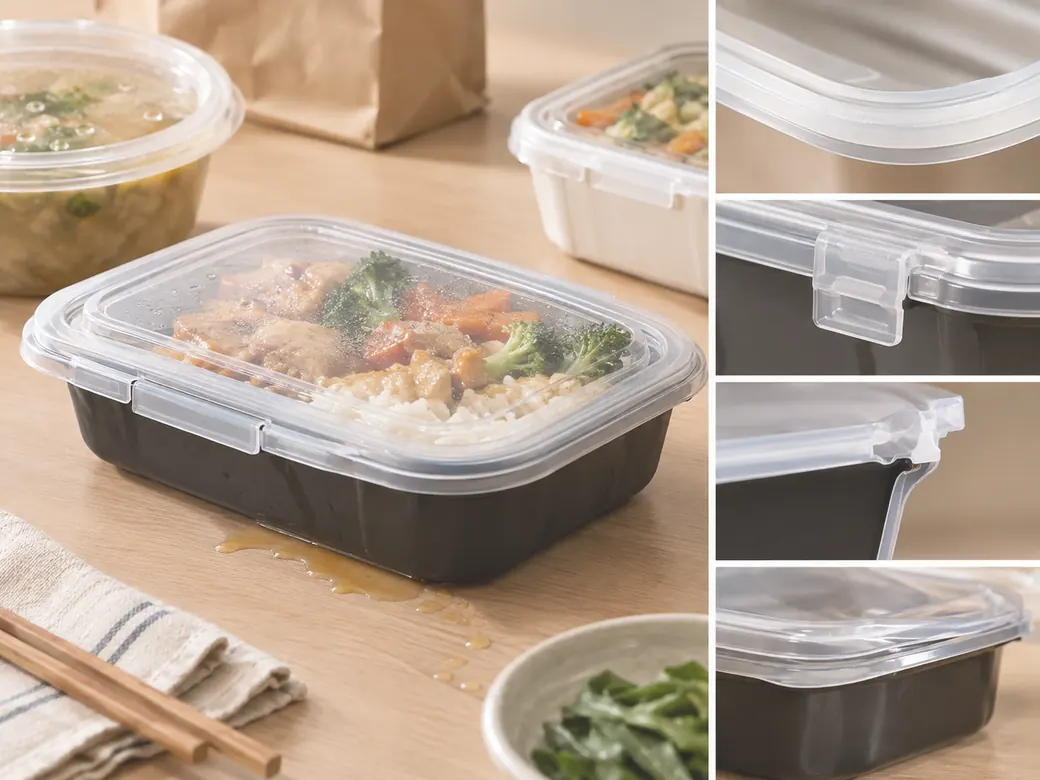
Closure needs the flange width, snap positions and inner/outer wall clearance to work together. A narrow rim concentrates load at the seal line; a wide rim adds package volume and can hurt stacking density. A hinged lid’s opening radius, a clear lid’s dome and anti-crush ribs also affect bags, cartons and delivery cases.
Stacking is not simply nesting empty boxes. Once filled, the bottom pack carries the upper load and a thin wall can buckle. If the food is hot, the material modulus may fall and deformation risk rises. Stack geometry should place lid support points over the load-bearing zones of the container, rather than on a weak center panel.
Work backward from the menu and route: record food height, sauce position, utensil clearance, bag width and vehicle vibration, then compare empty and filled stacks. Do not compare only outside dimensions; check cavity, flange, lid clearance, stack height and transport posture as well.
References: [1] Agarwal et al. — Food Packaging Materials — https://pmc.ncbi.nlm.nih.gov/articles/PMC9389508/; [2] FDA — Food Types & Conditions of Use — https://www.fda.gov/food/packaging-food-contact-substances-fcs/food-types-conditions-use-food-contact-substances