Preface
The question behind “How a Plastic Food Container Is Made” looks like a choice of appearance or material, but packaging performance also depends on the food, geometry, time-temperature history and handling. This article explains the visible problem first, then the material and structural mechanism, and finally the limits of what can be inferred without a product-specific test.
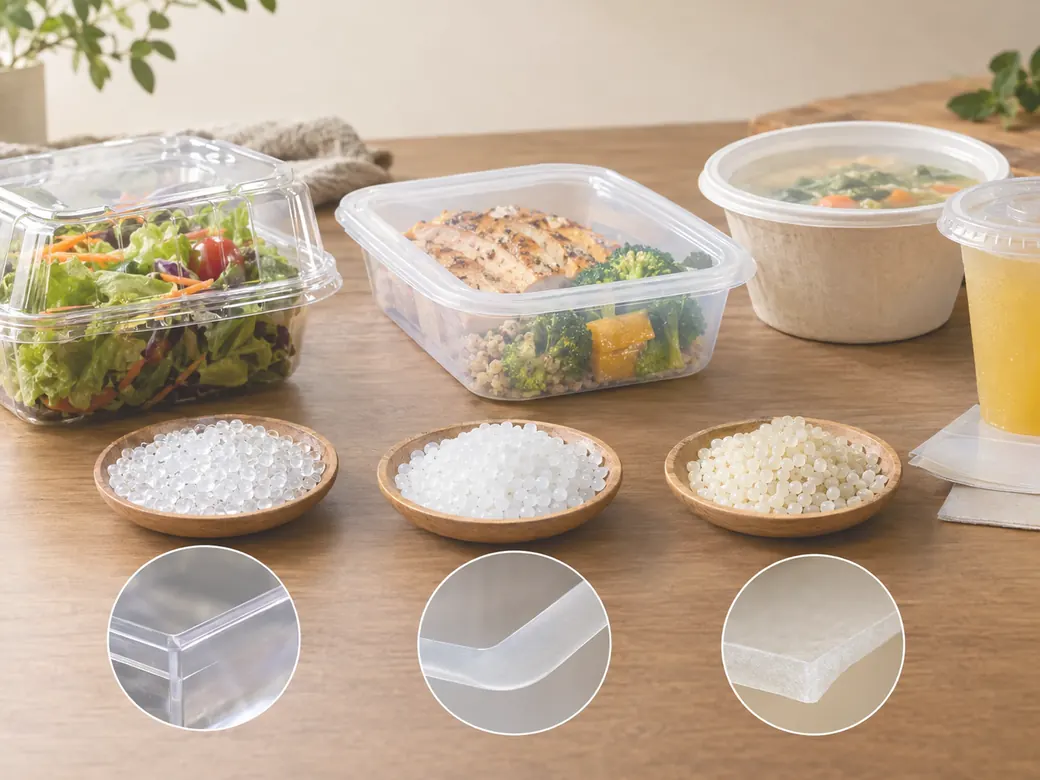
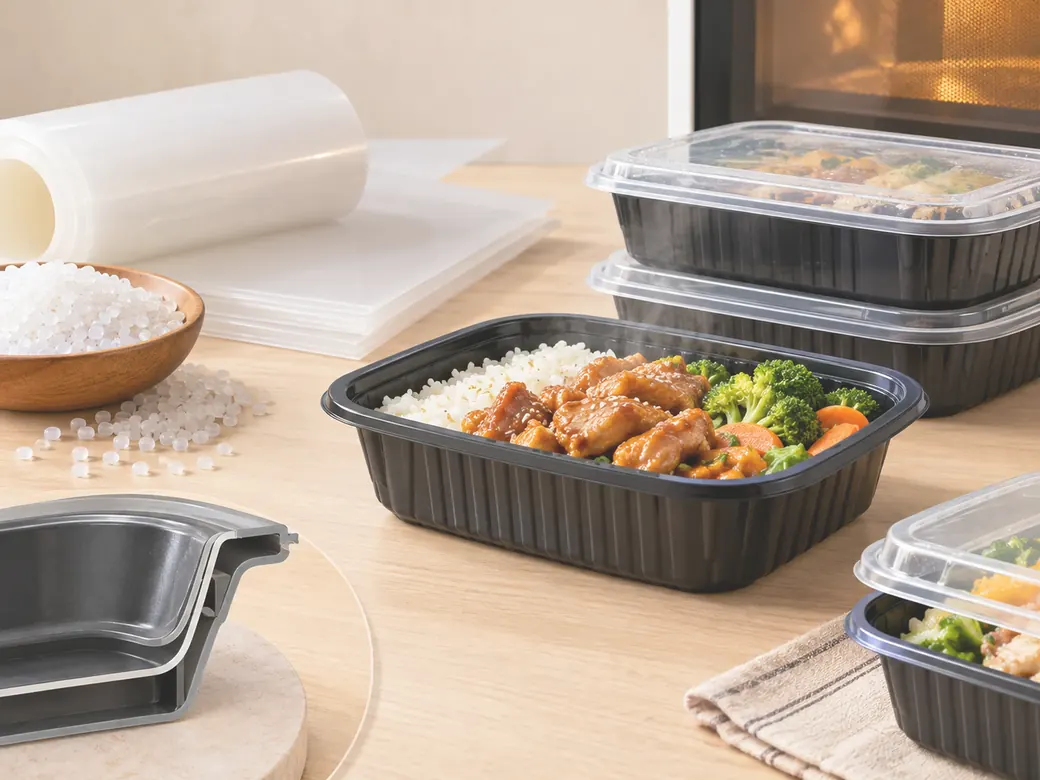
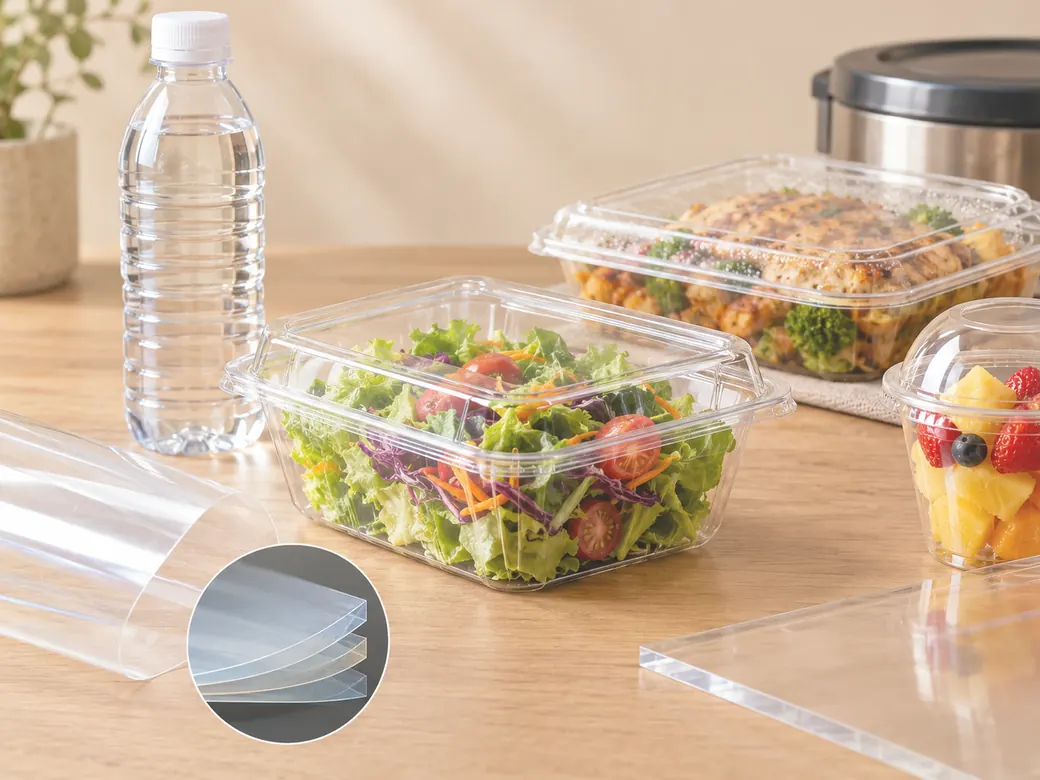
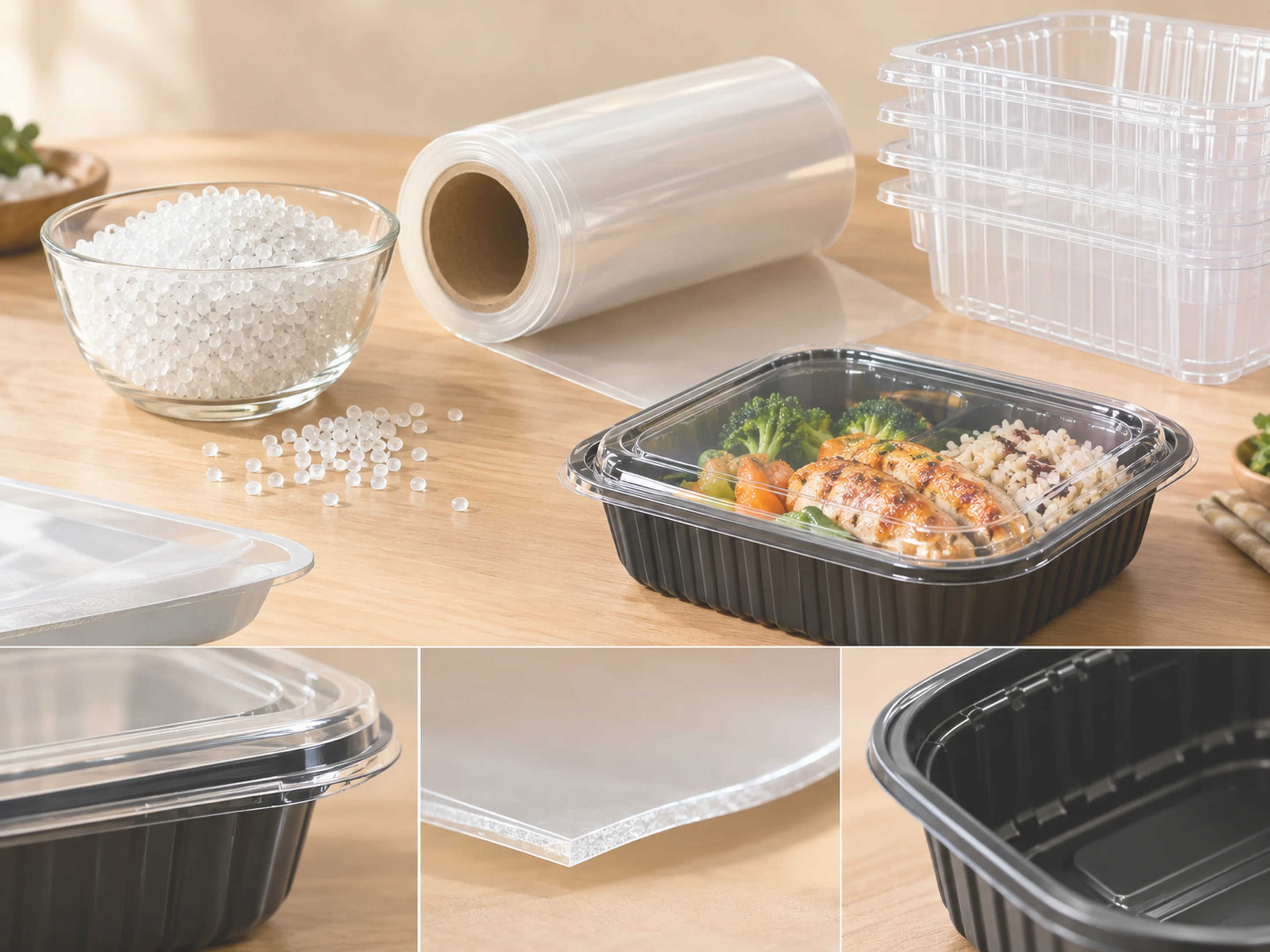
A plastic food container is not simply a pile of pellets pressed into a box. Resin is dried or conditioned as required, conveyed and melted, then formed through a specific process. Thermoforming makes a sheet, heats it and draws it over a mold with vacuum or pressure. Injection molding sends melt directly into a cavity, which cools and ejects the part. The routes create different wall-thickness distributions, molecular orientation, edge features and decoration options.
In thermoforming, regions with greater draw may become thinner. Sheet temperature, mold radii and draw ratio affect the base and corners. Injection-molded parts depend on gate location, flow direction, cooling shrinkage and weld lines. Final dimensions also depend on cooling rate, process window and resin batch. A lid may use a different process or thickness from its base and needs separate assessment.
Process history changes performance. Orientation can increase stiffness in one direction while increasing tear or thermal-shrink behavior in another. Residual stress can release during heating or impact, appearing as warp or cracking. The same resin family does not make parts from different processes interchangeable.
A consumer can observe forming lines, corners, flanges and clarity for clues, but appearance cannot establish compliance. For a real use decision, bind the finished-part revision to the food, temperature, time and closure method. References: