Preface
When a brief asks for clarity, heat, sustainability and leak resistance, the easiest mistake is to pick a material first. A better method starts with the food and use sequence.
Start with five questions: what threatens the food, what temperatures the pack will see, what mechanical actions occur in transport, how the customer opens and reheats it, and which treatment route is available after use. The result is a functional brief rather than a ranking of materials.
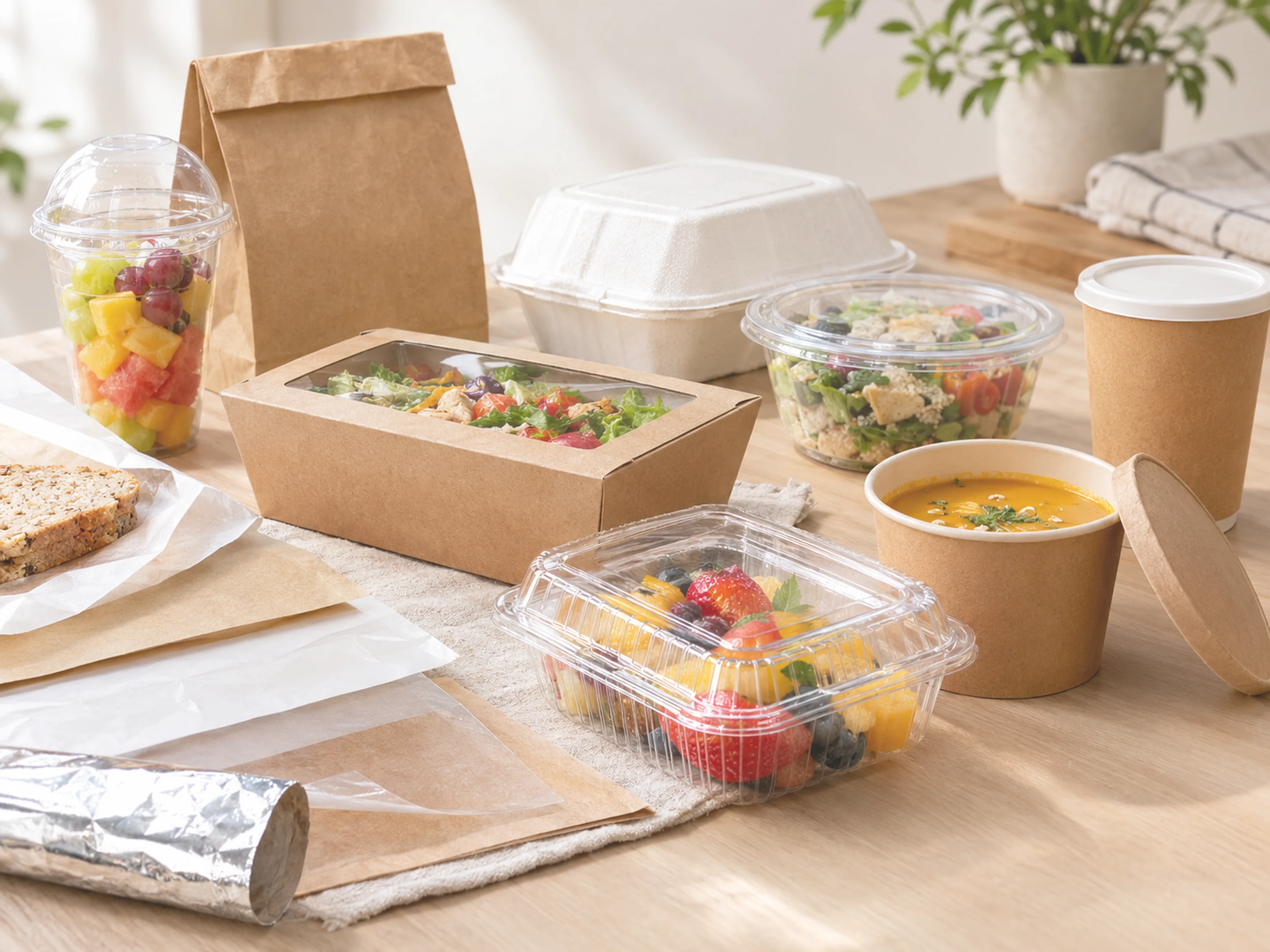
A chilled salad may need compression resistance, condensation control and moisture management. Hot soup needs heat tolerance, venting, sealing and tilt resistance. Bakery desserts may prioritize height, grease control, condensation and display. The same material can be suitable in one scene and limiting in another.
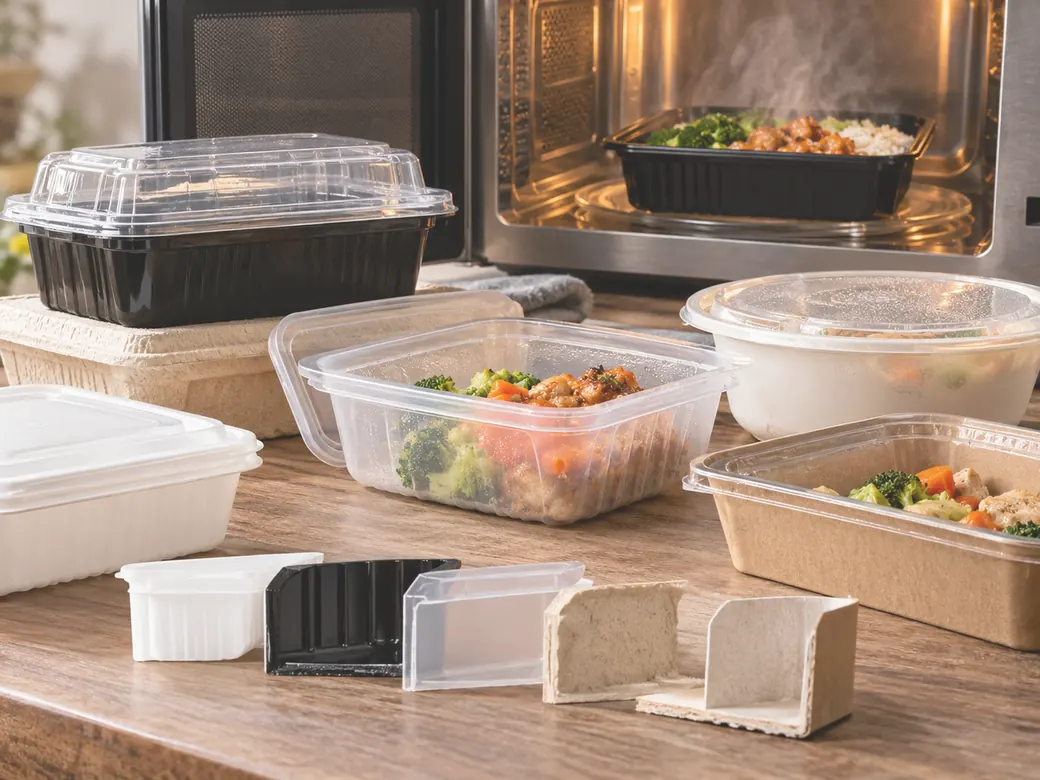
Translate functions into construction. Leak resistance may require a stable flange, compression seal or film. Stack strength may need corner posts, ribs and a clear load path. Barrier performance concerns oxygen, moisture, grease and aroma. Reheating requires a lid position, venting, fill, power and time. Material selection follows these structural needs.
“Sustainable” also needs separate questions. Lightweighting can reduce material but increase food loss. Paper-based packs may require a coating; multilayers can affect recycling or composting. Recycled plastic needs controlled feedstock and decontamination. EPA’s distinction between biobased, biodegradable and compostable terms shows why they cannot substitute for one another.
Build a small validation matrix: food, fill, temperature and time, closure, tilt, stack, reheating, sensory checks and end-of-life route. State the boundary of every conclusion. This reduces appearance-based selection and gives suppliers, stores and customers the same operating picture.
The common mistake is asking which material is best and then forcing it to meet every target. Packaging is a set of trade-offs: rank the food risks and operating scenes first, then select a structure and material that can be validated there.
References: