Preface
The question behind “Is Kraft Packaging Always Greener” looks like a choice of appearance or material, but packaging performance also depends on the food, geometry, time-temperature history and handling. This article explains the visible problem first, then the material and structural mechanism, and finally the limits of what can be inferred without a product-specific test.
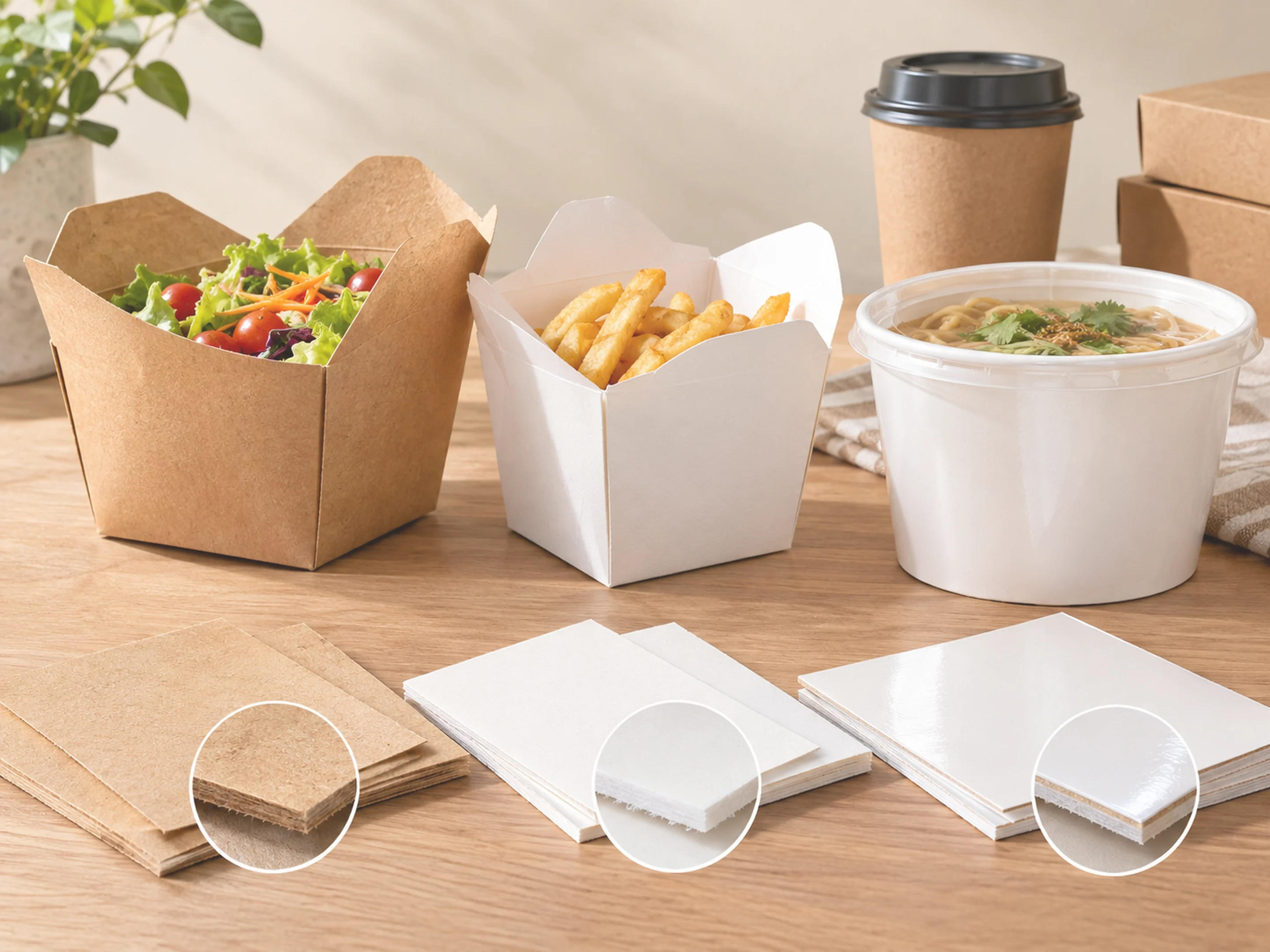
“Kraft” is often used as a synonym for sustainability, but it is first a paper category and appearance. It does not by itself identify the fiber source, recycled content or whether the used pack will be accepted by a local recovery system. Brown paper may retain more lignin or use less bleaching, while white paperboard may be bleached, coated and finished for a different surface. Either color can contain virgin or recycled fibers.
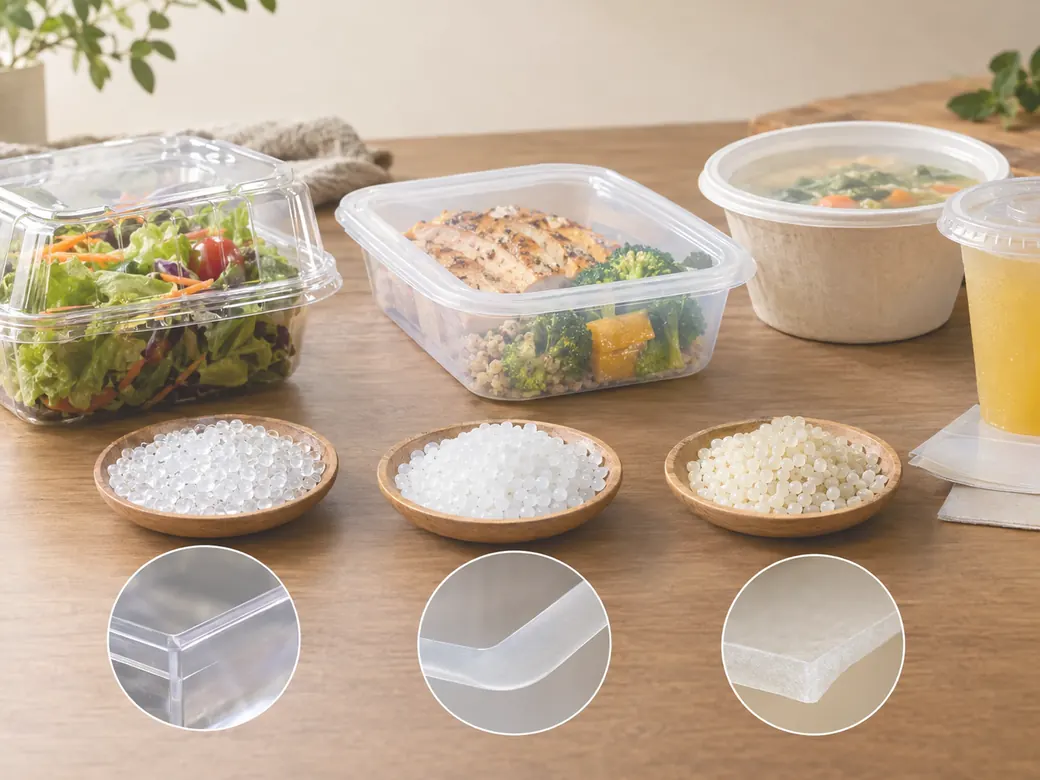
Food packs also face water, grease and heat. Paper fibers contain pores; liquid can travel through capillaries, while grease weakens the fiber network and carries odor. Cups, bowls and boxes therefore often use PE, PLA, dispersion coatings or other barrier layers. A barrier improves leak resistance but can change the recycling process. A pack that looks like paper is not automatically easy for a paper mill to separate.
Consumers often confuse high paper content with compostability or recyclability. EPA explains that compostable plastics generally need industrial or commercial facilities and should not be assumed to disappear in soil or a home compost bin. Paper contaminated with heavy grease or food residue may also be rejected by a local fiber-recycling stream. The end-of-life result depends on the material combination, contamination, collection and sorting infrastructure.
For a practical assessment, look at the whole construction: the paper substrate, the inner layer, the lid or label, and the amount of food residue after use. A brown paper bag may work well for dry bakery items. Soup, condensation and long contact times require evidence for the coating, seams and wet strength. Color alone cannot establish environmental performance, and an adjective such as “green” is not a disposal instruction.
References: