Preface
A stack of empty containers can look stable and still collapse after filling and storage. Understanding buckling and load paths shows where to look for the real limit.
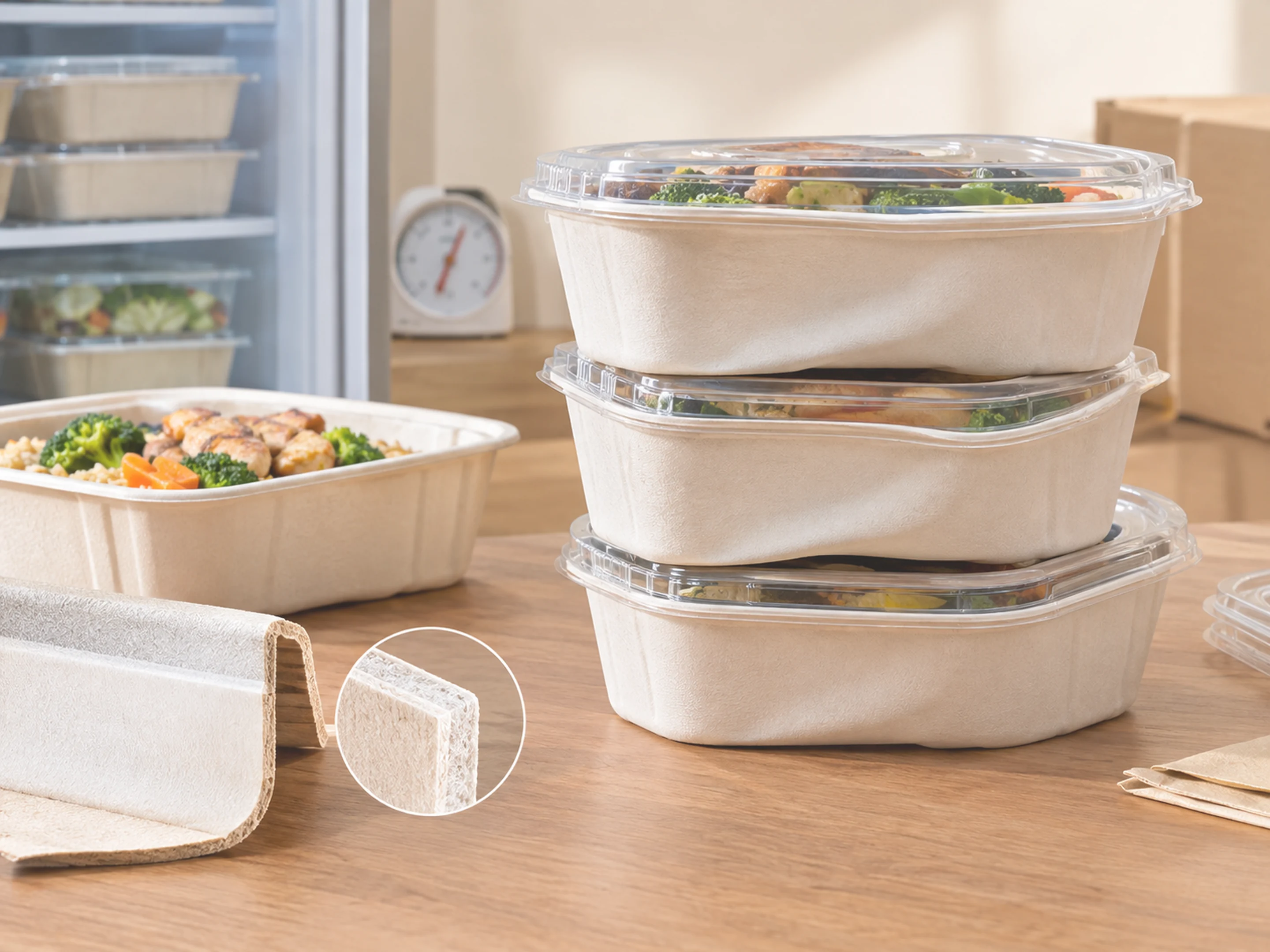
The bottom container in a stack carries the weight of the units above it. The load travels through flanges, corner posts, ribs and sidewalls. If that path is off center, a thin wall can bow outward or buckle inward. Buckling may occur suddenly, so an empty container that feels stiff is not enough evidence.
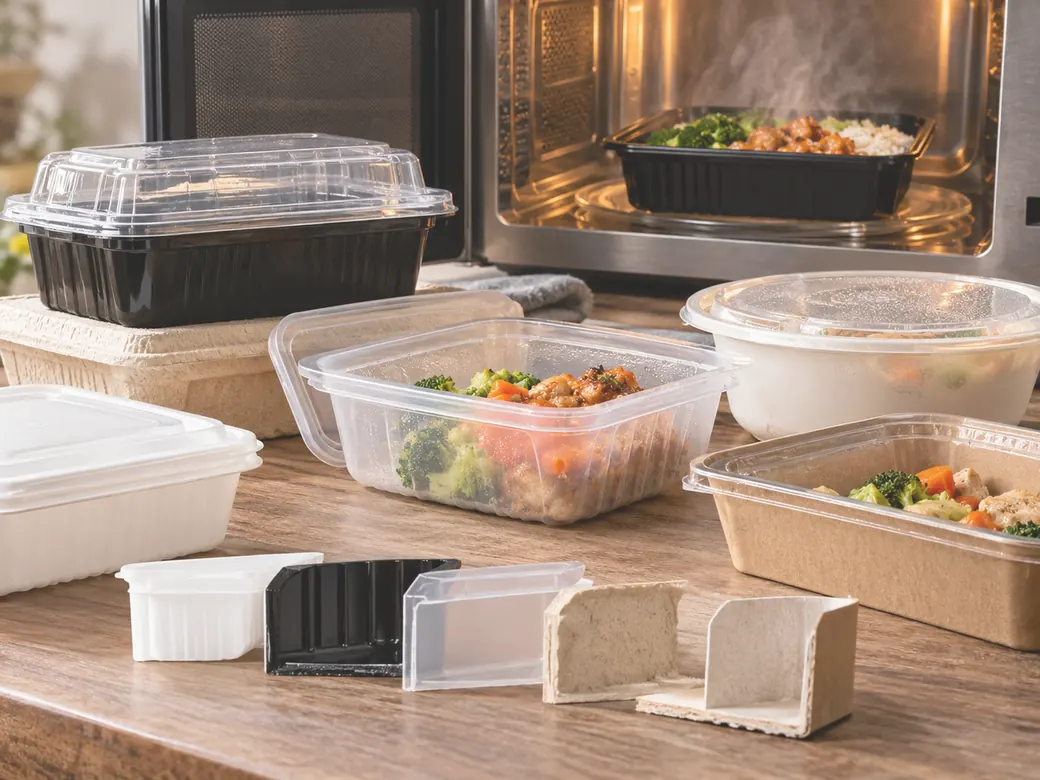
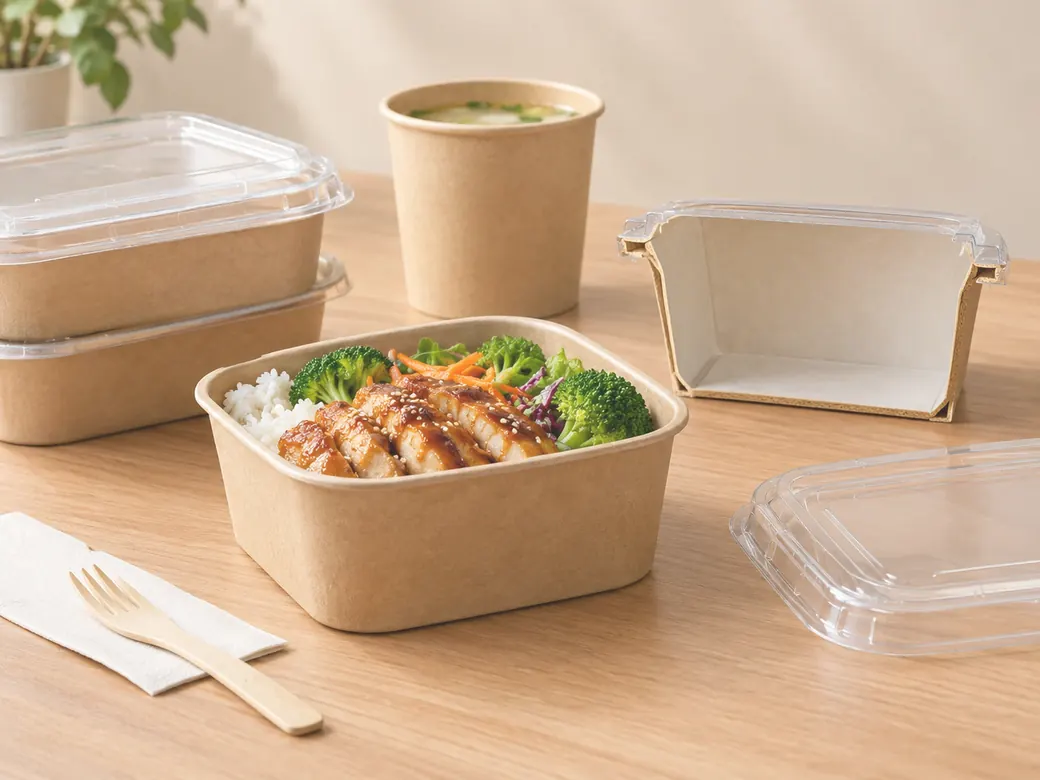
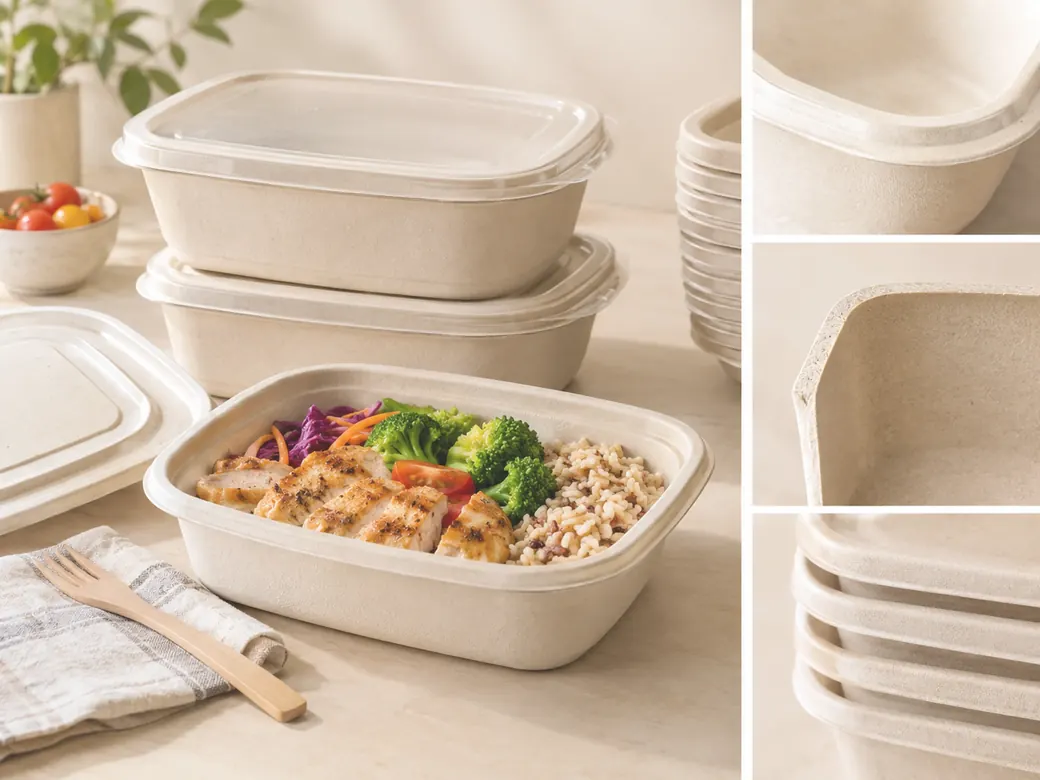
Geometry matters. A square tray can gain support from its corners while the middle of a long side remains vulnerable. A round bowl may distribute some loads more evenly but can still fail at the rim or bottom transition. Dividers add local support in one direction and create extra thin zones in another. A domed lid can also redirect load into the lid rather than the body.
Temperature changes stiffness, recovery and creep. A hot meal may remain warm during packing and delivery; cold storage and a sun-heated vehicle create different histories. Thermoplastics can creep more readily as temperature rises. Paper-based packs also respond to moisture and condensation, which can reduce fiber bonding and compression strength.
A useful stack study includes fill weight, stack height, carton dimensions, pallet pattern and storage time. Empty packs can reveal geometric defects, but filled packs under hot or cold conditions show the real load path. Inspect the lower rim, sidewall straightness, corner cracks and closure after loading. Permanent warpage, leakage or loss of closure indicates insufficient margin.
“Higher stacks save space” is an incomplete conclusion. A collapsed stack can cause leakage, wet cartons and product loss. Resin names, identification codes and hand feel cannot replace validation under the expected load and temperature history.
The public scope of ASTM D2990 concerns tensile, compressive and flexural creep and creep rupture of plastic specimens. It helps explain time-dependent deformation but is not a stack-height rule for finished food containers. A specimen method cannot directly establish the number of stackable units, and this reference does not claim that our products were tested or certified to it.
References: