Preface
“PLA,” “bio-based,” “biodegradable” and “compostable” often appear together on a package, but they describe different facts. This article separates feedstock, material performance and end-of-life treatment so the label can be read accurately.
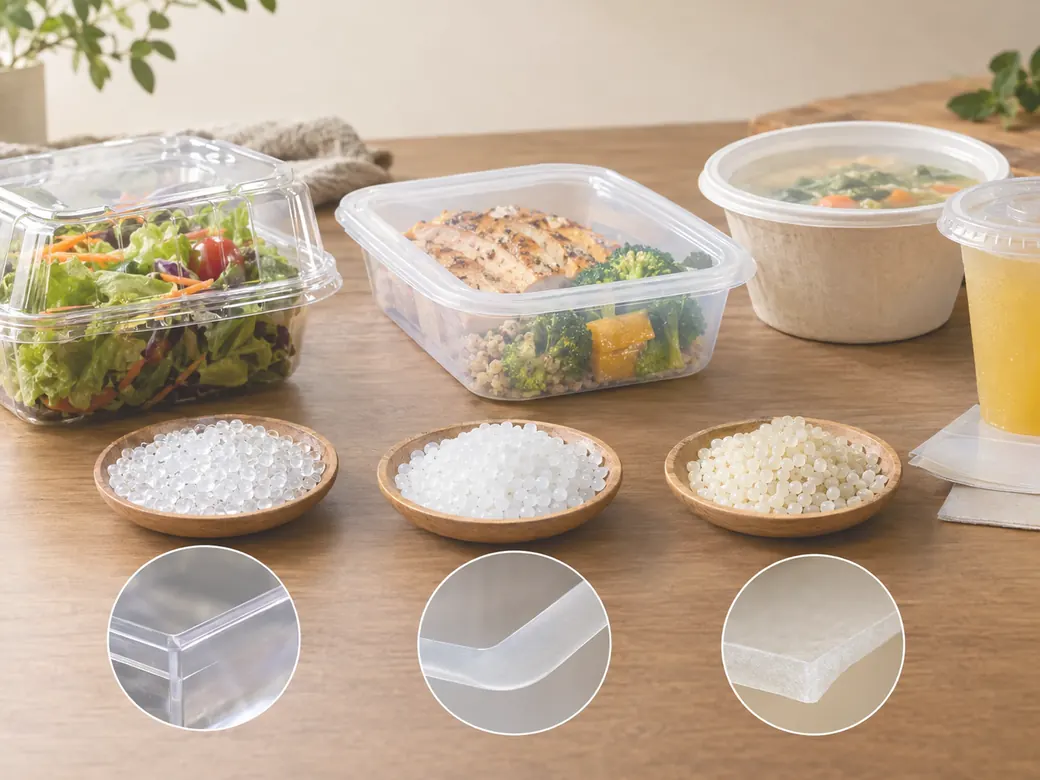
PLA is polylactic acid, often made by polymerizing lactic acid obtained through fermentation. A plant-based feedstock does not mean the finished article disappears quickly in every environment. Natural soil, landfill, home compost and industrial compost differ in temperature, moisture, oxygen and microbial activity, so the rate and route of breakdown differ as well.
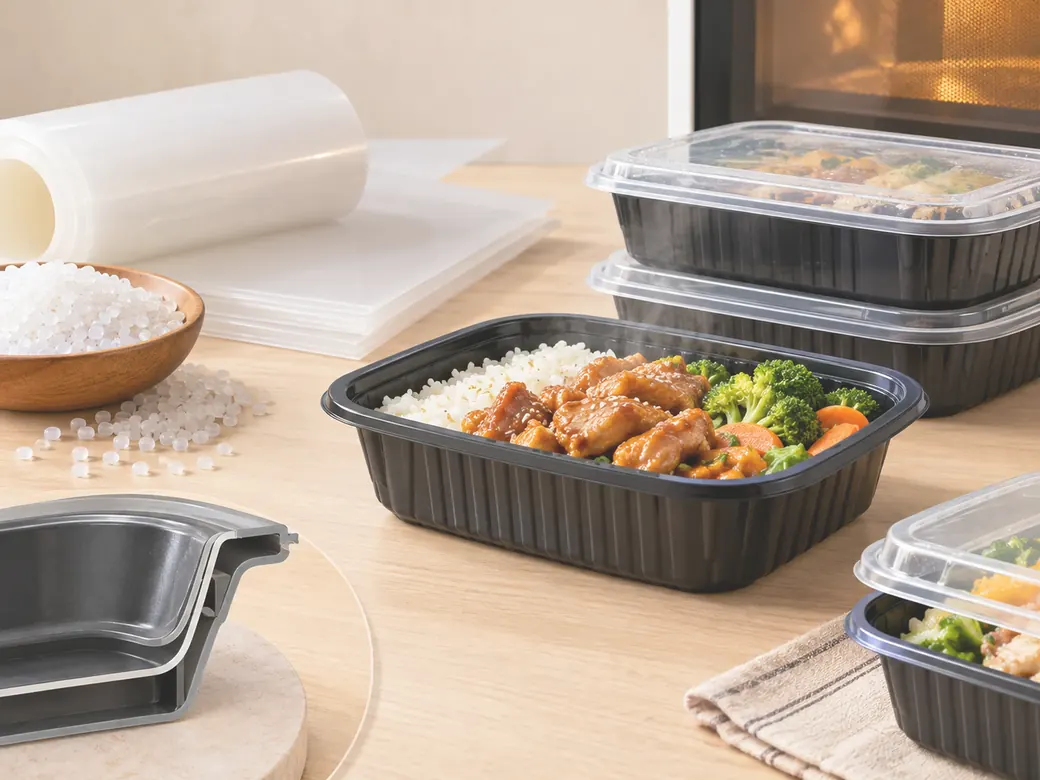
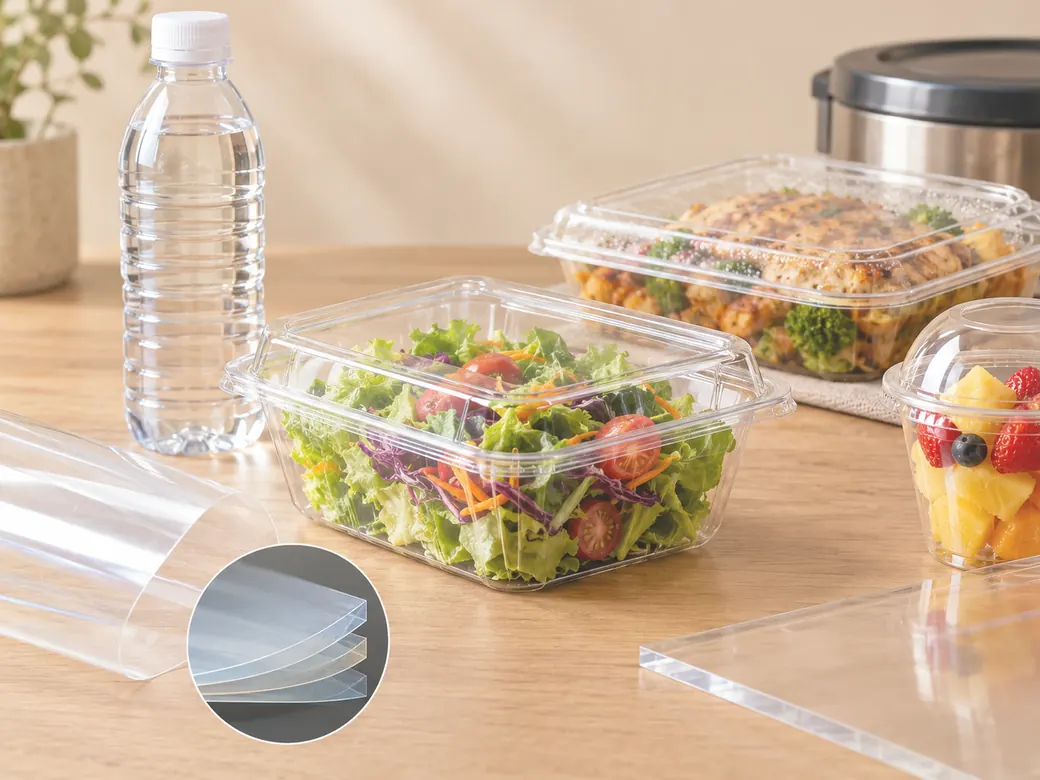
For a food container, temperature is the first boundary. Low-crystallinity PLA can soften, warp or change closure fit with hot drinks, soup or microwave exposure. Nucleation, crystallization and annealing can improve heat performance, but the result depends on the grade, forming window and wall thickness. A single heat-deflection value from a material sheet should not be copied to every clear cup or tray.
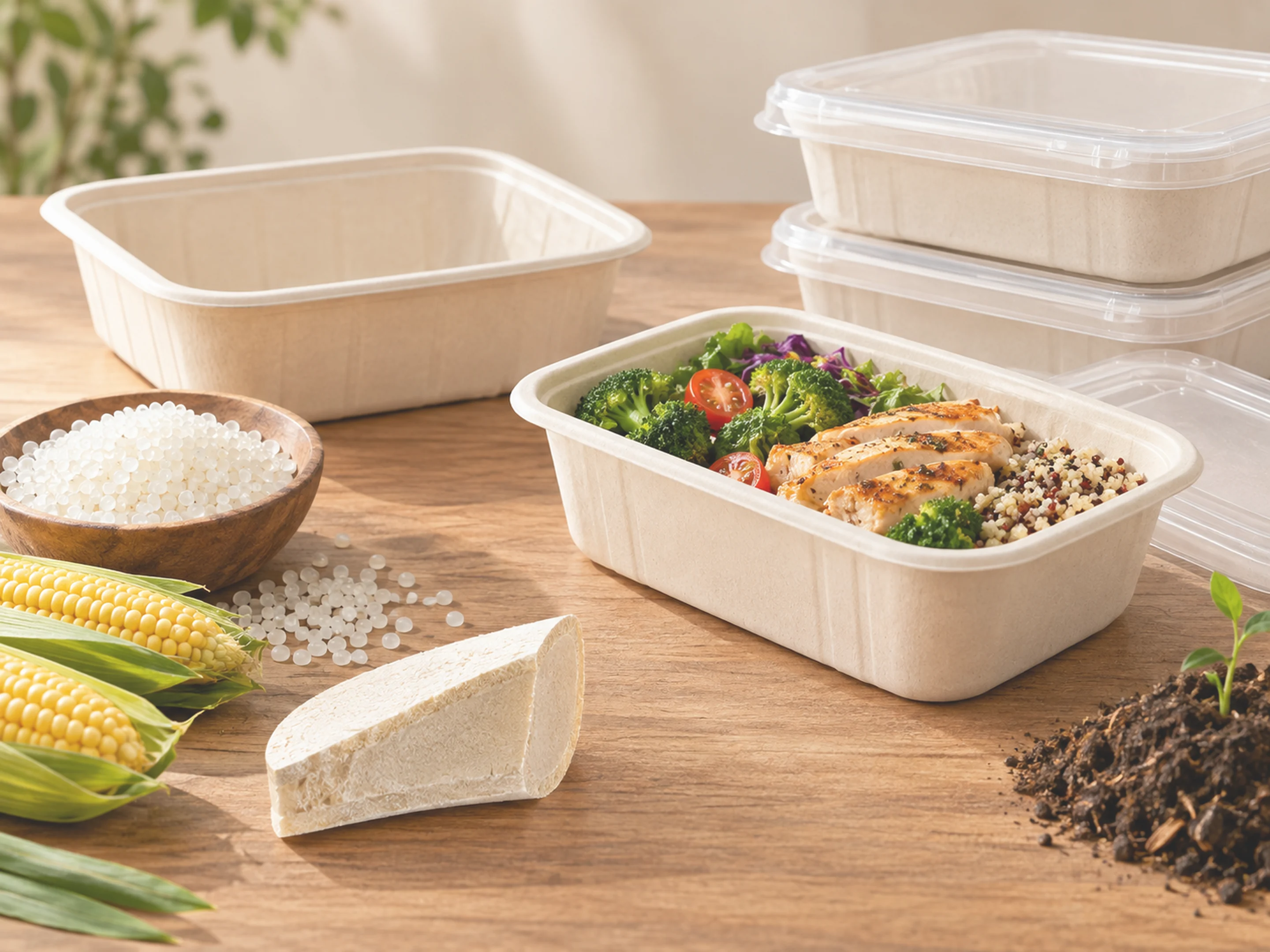
“Compostable” also depends on the certification scope and the facility. Industrial composting can provide a more controlled combination of heat, moisture and residence time. Many PLA products need those conditions for meaningful disintegration and biodegradation. A home pile may never reach the same temperature. If a local organics service does not accept the product, placing it in a conventional plastic recycling stream can create sorting problems.
Common errors include treating plant origin as permission to bury the pack in soil, treating “biodegradable” as “gone in days,” and assuming a compostable PLA tray follows the same route as a molded-fiber tray. Check food temperature, closure, local collection instructions and the exact certification scope together. Green color and leaf imagery are not substitutes for that information.
References: [1] US EPA — Plastic Recycling and Composting FAQ — https://www.epa.gov/trash-free-waters/frequently-asked-questions-about-plastic-recycling-and-composting; [2] European Commission — Food Contact Materials — https://food.ec.europa.eu/food-safety/chemical-safety/food-contact-materials_en; [3] Agarwal et al. — Food Packaging Materials — https://pmc.ncbi.nlm.nih.gov/articles/PMC9389508/