Preface
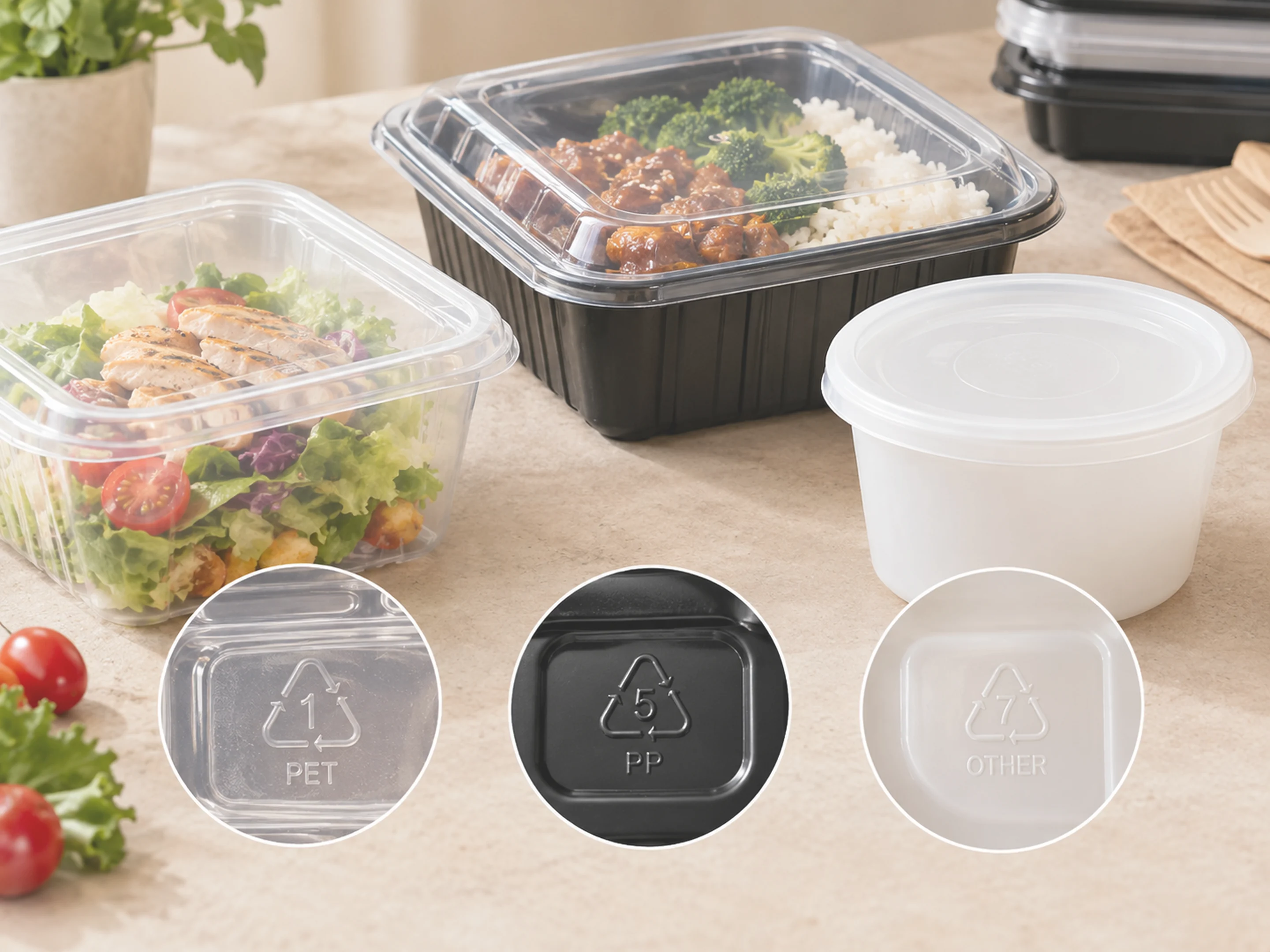
The number inside a triangle is often mistaken for a safety grade. It primarily identifies a resin category; use and recycling questions require separate evidence.
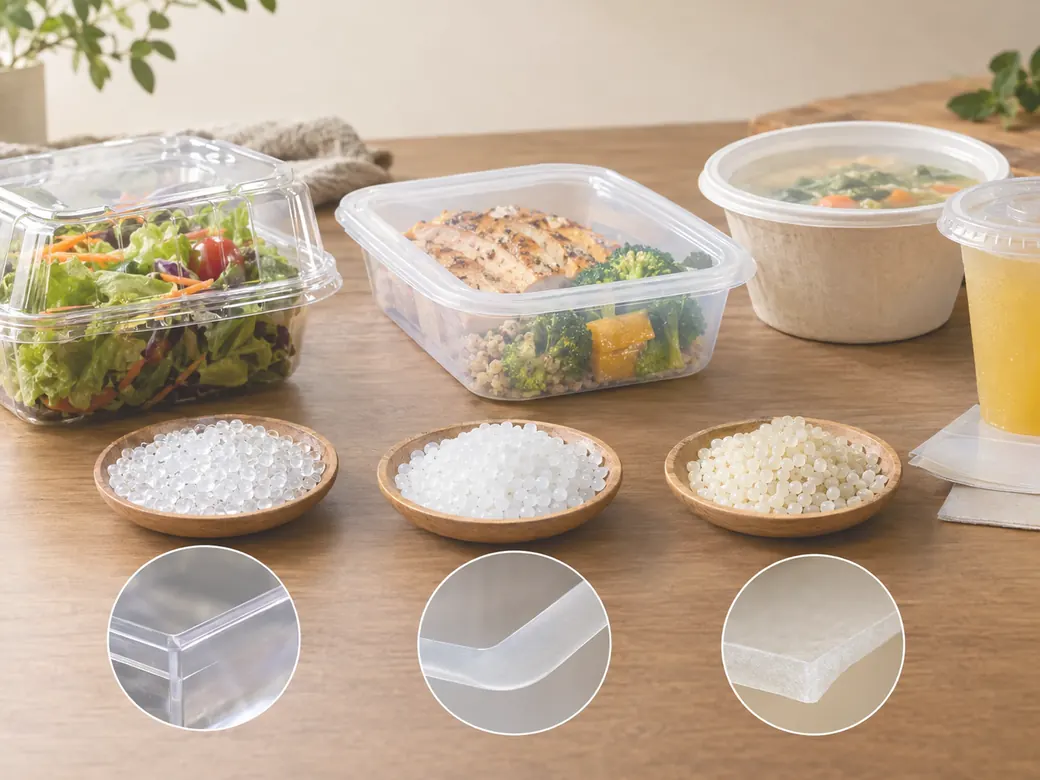
Resin identification codes help manufacturing, sorting and recycling systems recognize a principal plastic family. A common 1 identifies PET, 5 identifies PP and 7 covers other or mixed categories. The number says nothing about wall thickness, additives, lid material, printing, food type or temperature history.
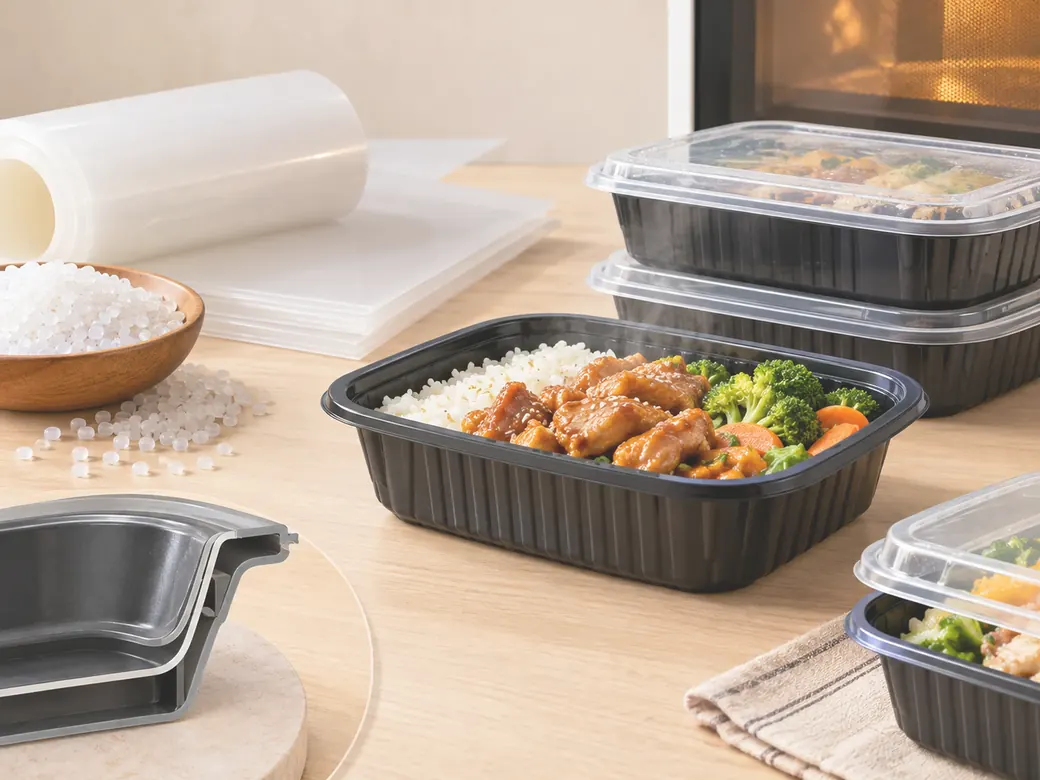
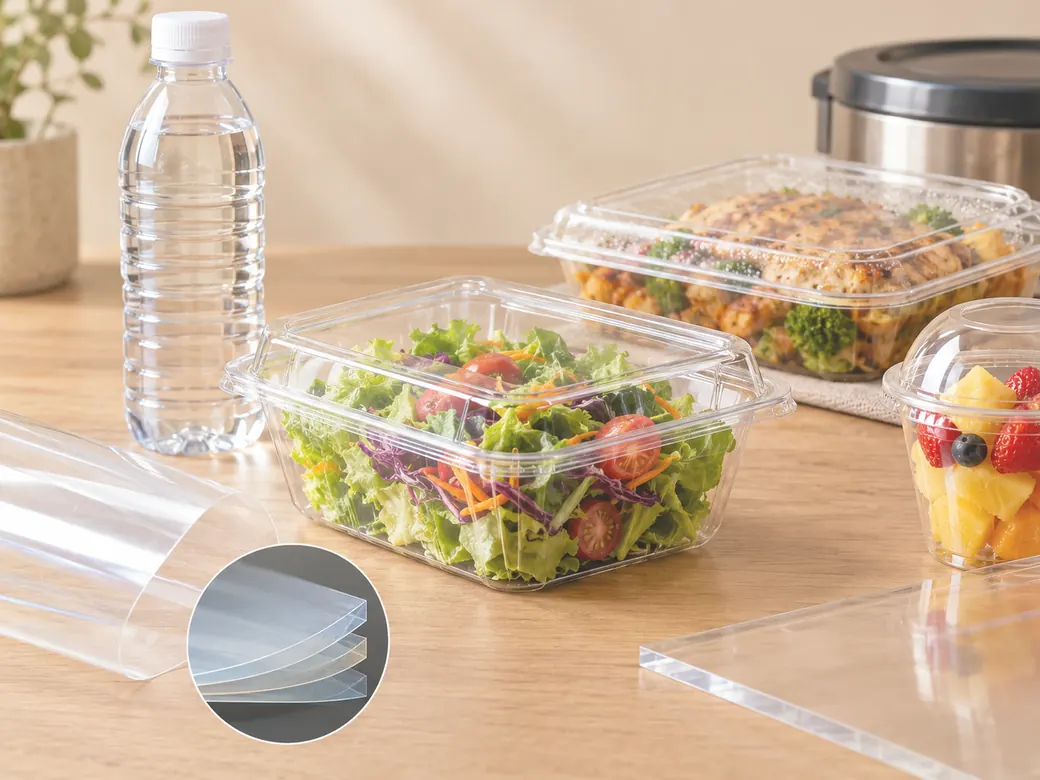
A number 5 PP code therefore does not supply a microwave instruction. Suitability depends on the body and lid, venting, food mass, power and time. A number 1 PET code does not make a clear chilled tray equivalent to a crystallized PET oven tray. Number 7 is especially broad; it can include several resins, blends or multilayer constructions.
Food-contact safety is a separate question. It depends on formulation, migration, food type, contact time and temperature, and the rules of the target market. A recycling triangle also does not mean a local facility will collect the item. Collection capacity, color, labels, residue and mixed layers affect treatment.
Look for the complete use statement: chilled, frozen, hot fill, reheating or dishwasher; lid position, vents and time limits; and whether the pack is single use. If the only mark is a number, do not use it to infer every performance property.
The correct reading is “material clue,” not “permission to use.” A sound judgment combines resin code, finished structure, food, time-temperature history and end-of-life route.
References: